
Commercial Property Maintenance: Keeping Clinics, Shops and Offices Open
A dental clinic can't see patients with a leaking ceiling over the chair. A retail tenant can't trade with a jammed roller door. An office can't function with a broken front entrance the building manager is liable for. For the people who run these buildings, commercial property maintenance Melbourne tenants depend on isn't a line item — it's whether the space stays open and earning. When something breaks, the clock is rent, reputation and a tenant on the phone, all at once.
JT Handyman Solutionz is a Melbourne property repairs and maintenance team. We've grown from one person to a 24-strong in-house crew in under two years, and a big part of that growth has come from commercial work — the clinics, shops, offices and strata buildings where a repair has to happen around trading hours, not instead of them. This is how to keep a commercial property running through maintenance without shutting it down.
Why commercial maintenance is a different job
Fixing a fault in an empty house and fixing the same fault in a working clinic are not the same task. In a commercial setting, every repair carries a cost the moment it's noticed — lost trading hours, a tenant who can't operate, a duty-of-care obligation for staff and the public, and a building manager who has to report up the line. The work itself might take an afternoon; the consequences of it being done slowly, loudly or twice can run for weeks.
What raises the stakes on a commercial site
- Trading hours. A shop or clinic loses money for every hour it can't operate, so work often has to happen before open, after close, or in a quiet window.
- Public access and safety. Slips, trips, loose handrails, faulty doors and exposed hazards aren't just defects — they're liability the building owner carries.
- Tenant relationships. A slow, messy repair is what loses a good tenant at renewal time. Responsiveness is what keeps them.
- Presentation. A clinic, a café or an office front is the tenant's shopfront. Tired, broken or half-finished says something to every customer who walks past.
The repairs that actually shut a commercial space down
Property managers across Melbourne tend to call about the same things — the faults that don't just look bad but stop the space being used. Knowing the usual suspects lets you move before they escalate.
Access and entry
- Doors that stick, drop or won't latch; broken closers, faulty hinges and worn strike plates.
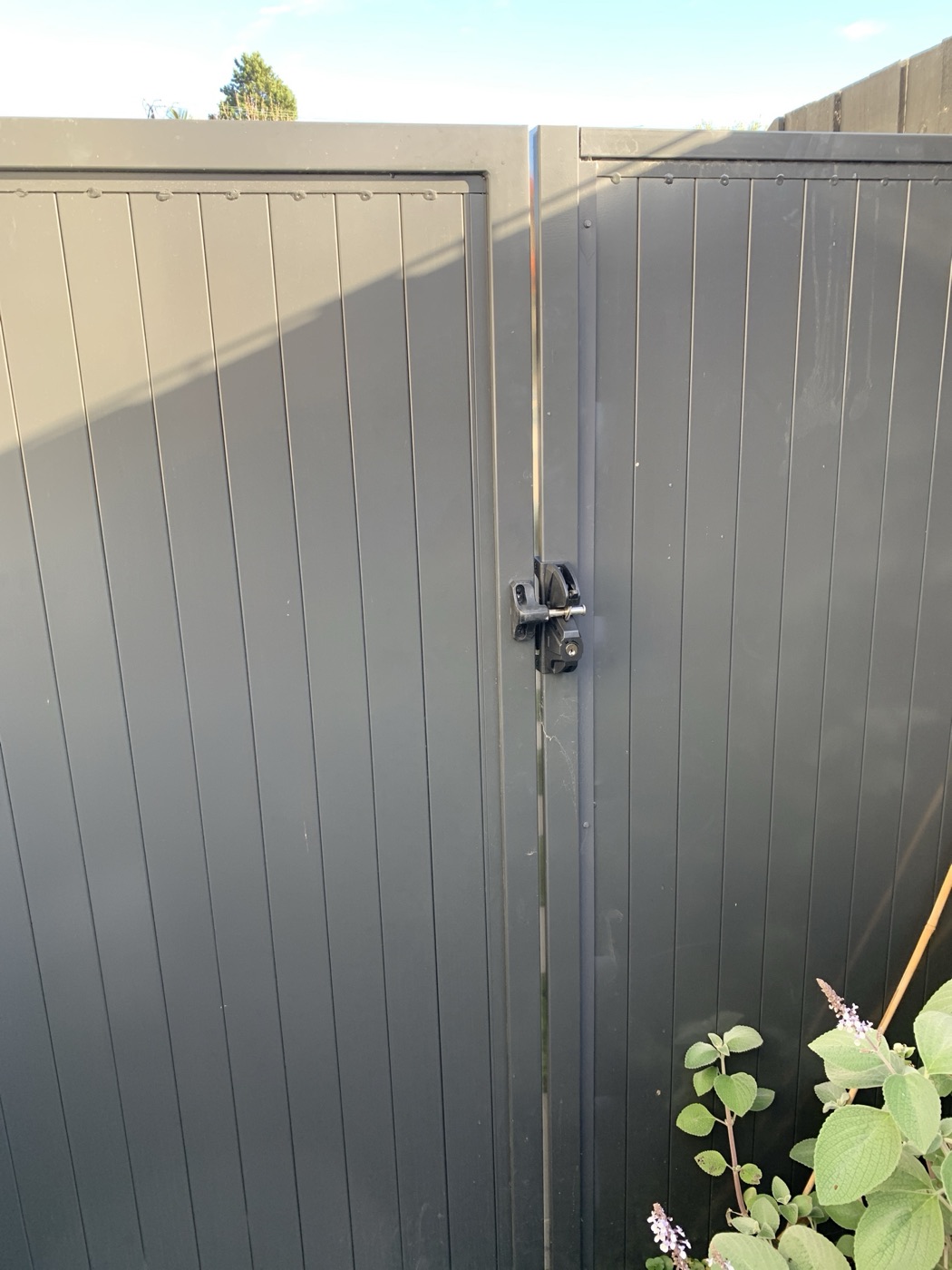
- Gates, roller doors and security grilles that jam — exactly the kind of carpentry and access work JT does on site.
- Locks and hardware that fail, leaving a tenant unable to secure the premises overnight.
Water, leaks and ceilings
- Roof and ceiling leaks over a treatment room, a kitchen or a stockroom — these only get worse and uglier the longer they wait.
- Failed silicone, cracked tiles and grout in commercial wet areas and staff amenities.
- Water damage and staining that has to be patched, sealed and painted before it spreads.
Wear, presentation and compliance
- Scuffed and damaged walls, cracked plaster and tired paintwork in high-traffic areas.
- Loose or wobbly handrails and balustrades — a clear safety and compliance flag in any public-facing building.
- Worn flooring, lifted vinyl and damaged skirting that trips people and dates the space.
The real enemy of a fast commercial repair: juggling trades
Here's where most commercial maintenance quietly loses days. A single fit-out fix can need a carpenter, a plasterer, a painter and a handyman — sometimes a plumber or sparky too. Booked separately, that's four or five contractors on five different schedules, each "a couple of weeks out," none of them owning the deadline. Meanwhile the tenant is trading around a half-finished job and emailing you for an update you don't have.
Every handover between trades is a gap where time leaks out. The painter can't start until the plasterer's done; the door can't be rehung until the frame's repaired; the job that should have closed in a day stretches across a fortnight of callbacks. The work isn't slow — the coordination is. On a commercial site, that lost time is lost rent and a tenant losing patience.
How JT handles commercial property maintenance
This is exactly the problem JT is built to remove. Every trade is in-house, so a whole job — carpentry, doors, patch and paint, tiling, repairs and maintenance — is one job, run by one team with one point of contact. You're not chasing four contractors and relaying messages between them; you call one person who owns the property from quote to final photo, and who plans the work around the tenant's trading hours.
- Instant quotes. Send through the site and the scope and you get a real price fast, often instant — so you can tell the owner the cost and timeline the same day, not next week. Renovations take time; your quote shouldn't.
- One organised crew, scheduled around trading. Trades are sequenced internally and booked into the quiet window, so a clinic or shop loses as little trading time as possible.
- Tenants and owners kept informed. Our office liaises so you're not the messenger — schedules confirmed, the building manager updated, nothing falling through the gaps.
- Before-and-after photos on every job. Documented work you can forward straight to the owner or the body corporate, and a clean record for your maintenance file.
The outcome property managers come back for is simple: the space stays open, the tenant stays happy, and the job is done once — across Melbourne's inner north and east, the bayside and south-east, and everywhere in between. One invoice and one call instead of five.
A quick commercial maintenance checklist
When a fault comes in on a commercial property, this is the order that keeps the space open and the tenant onside:
- Make it safe first. Anything that's a slip, trip, electrical or access hazard gets handled or made safe immediately — that's the liability that can't wait.
- Protect trading. Confirm the tenant's hours and book the work into the quiet window before, after or between trade.
- Quote the whole job, once. Scope every trade up front so there's no half-fixing it and coming back — get the price and timeline same-day.
- Run it as one job. One crew, one point of contact, no waiting on a subbie's callback between handovers.
- Document and sign off. Before-and-after photos to the owner, a clean record for the file, and a space that's ready to keep earning.
Get those right and the building owner hears one thing from you: it's handled, the tenant's still trading, and the lights never went off.
Keep your commercial property trading
Send JT the site and we'll quote the whole job — often instantly — and plan it around your tenant's trading hours. One team, one point of contact, no juggling trades. Slow is a no-go.