
Blog · Doors & hardware
Door Won't Close or Lock? The Quick Fixes a Handyman Uses
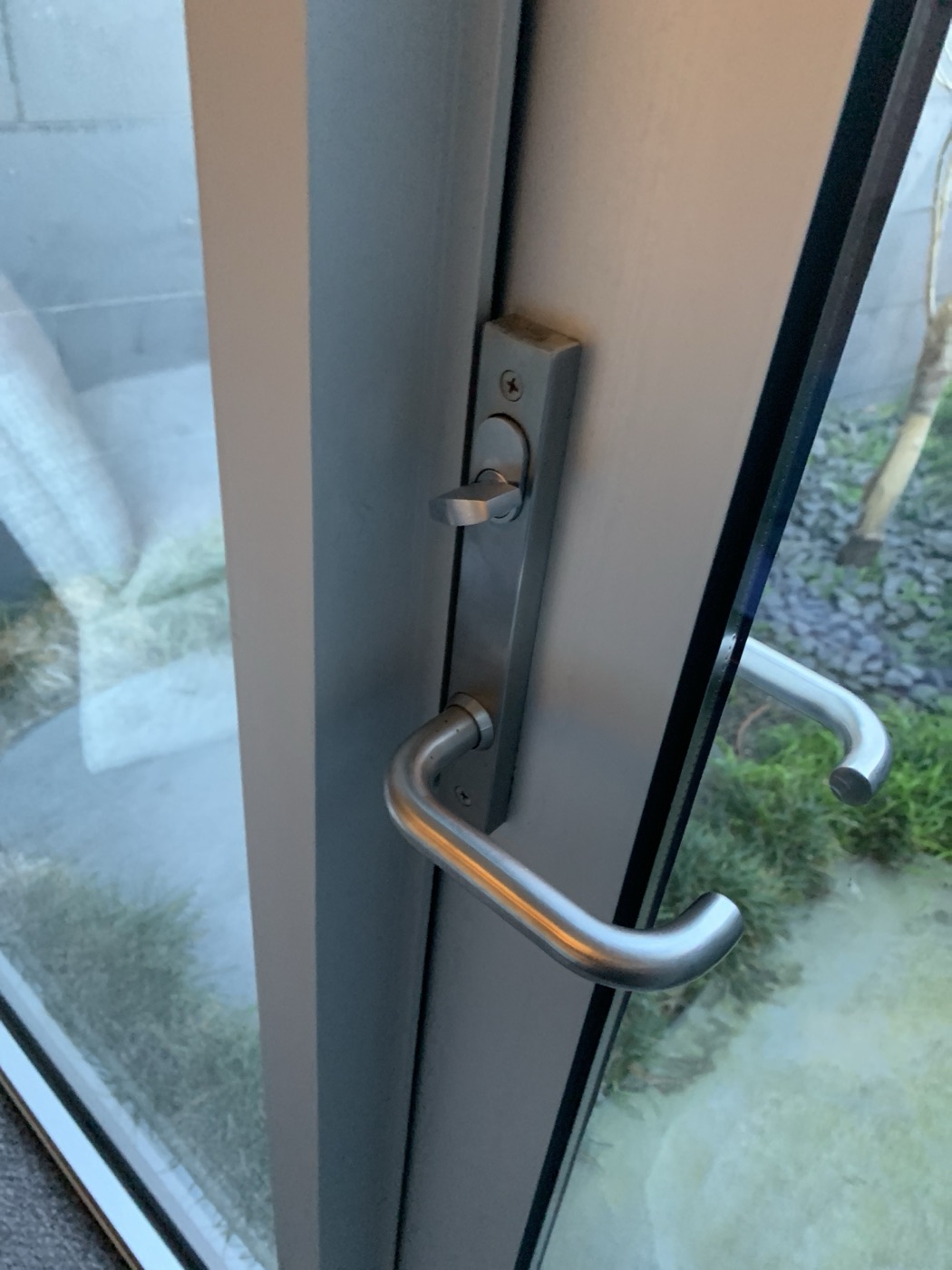
A door that won't close, sticks halfway, or refuses to lock is one of those small problems that quietly drives you mad — and worse, it can leave your home insecure. The good news: most of these faults come down to a handful of common causes, and a lot of them are fixable in minutes once you know what you're looking at. This is the practical, no-jargon guide to door repair Melbourne homeowners actually need, covering the quick fixes a handyman reaches for first and the moment it's smarter to hand it over.
Before you shoulder-barge a stubborn door or force a key, slow down for two minutes. Nine times out of ten the door itself is fine — it's the alignment, the hinges, or the weather that's the real culprit. Here's how to read the signs.
First, work out why the door won't close or lock
A door has to do two simple things: swing freely on its hinges and meet the frame squarely so the latch drops into the strike plate. When either part drifts out of alignment — even by a couple of millimetres — the door rubs, sticks, or the lock won't engage. Look and listen for these tell-tale signs:
- The door scrapes the frame or floor as it swings (you can often see a shiny rub mark)
- The latch hits the strike plate instead of sliding into it
- You have to lift or slam the door to get the lock to turn
- There's a visible gap that's wider at the top than the bottom, or vice versa
- The problem comes and goes with the weather — fine in summer, sticking in winter
Each of those points to a different fix. Match your symptom below.
The quick fixes a handyman tries first
1. Tighten the hinge screws (the 90-second fix)
This is the single most common cause of a dropped, sticking door — and the easiest to fix. Over years of opening and closing, the screws holding the hinges to the frame work loose, the door sags, and the top corner starts to catch. Grab a screwdriver and firmly tighten every screw on both leaves of each hinge. If a screw just spins and won't bite, the timber behind it has stripped out. The handyman's trick: tap a couple of matchsticks or a glued timber sliver into the hole, snap them flush, and re-drive the screw so it grips fresh wood. A longer screw that reaches into the wall stud can also pull a sagging door back into line.
2. Realign or move the strike plate
If the door closes but won't latch or lock, the latch and the strike plate (the metal plate on the frame) aren't meeting. Close the door slowly and watch where the latch lands. If it hits above or below the hole, the fix is to either:
- File the strike-plate opening slightly to give the latch room to drop in, or
- Unscrew the plate and reposition it a few millimetres up, down, or out so it lines up
A smear of lipstick or a marker on the latch will leave a mark on the plate showing exactly where it's catching — no guesswork.
3. Free up a sticking edge
If the door binds against the frame on one side, find the rub mark, then lightly sand or plane that edge back. Take off a little at a time and re-test — it's far easier to remove timber than put it back. Once it swings clean, seal the bare edge with paint or sealer so moisture can't get back in and swell it again.
4. Lubricate a stiff lock or hinge
A lock that's stiff or a key that won't turn smoothly often just needs lubrication. Use a dry graphite or silicone lubricant in the keyway and on moving lock parts — avoid oily sprays like WD-40 inside a lock, as they attract grime over time and can gum it up. A drop of the right lubricant on squeaky or stiff hinge pins finishes the job.
Why Melbourne weather is often the real cause
Here's something many homeowners miss: a door that sticks in July but swings fine in February usually isn't broken at all. Timber doors absorb moisture and expand in Melbourne's cold, damp months, then shrink back when it dries out. That seasonal swelling is a classic reason a door won't close in winter and frees up on its own come spring.
If a door only sticks seasonally, resist the urge to plane huge amounts off it — you'll end up with gaps and drafts in summer. Better moves for a Melbourne home:
- Take off just enough at the binding point to clear the worst of the swelling
- Seal every edge, including the top and bottom, so the timber stops drinking in moisture
- Check that external doors have working weather seals to keep damp out in the first place
- Older homes in Melbourne's inner north and bayside suburbs often have heritage timber doors and out-of-square frames that move more — these usually need a careful, measured fix rather than a quick shave
When a quick fix won't cut it
Some door problems are signs of something bigger than a loose screw, and forcing them only makes the repair more expensive later. Call in a handyman when you see:
- A frame that's visibly out of square, twisted, or pulling away from the wall
- Rot or soft, spongy timber around the hinges, base of the door, or frame
- A lock mechanism that's failed internally — the handle turns but nothing moves
- An exterior or security door that won't lock, where getting it right matters for your safety
- Cracks spreading from the frame into the wall, which can point to movement in the structure
A door that won't lock is a security problem, not just an annoyance. If your front, back, or garage door won't latch or lock properly, treat it as urgent — it's worth getting a professional eye on it the same week rather than wedging it shut and hoping.
How JT handles door & hardware repairs
Doors and hardware are some of the most common jobs JT gets called out for across Melbourne — from a single sticking bedroom door to re-hanging and re-securing doors right through a property. Because every trade sits in-house, you don't get bounced between a chippy for the hanging, a locksmith for the lock, and someone else for the painting. One JT team handles the whole thing: re-aligning the door, sorting the strike plate, fitting or fixing the hardware, and sealing or touching up the finish so it looks right when it's done.
It also means one point of contact from the first message to the final photo — no chasing, no finger-pointing, no "that's not our part of the job." And because we know our pricing, you can usually get an instant quote on a door repair without waiting days for a callback. Slow is a no-go: a door that won't lock shouldn't sit on a waiting list.
- Every trade in-house — hanging, hardware, locks and finishing under one team
- One organised point of contact who owns the job start to finish
- Instant quoting on most repairs, so you're not left hanging
- Workmanship done to last — a repair that needs repairing isn't a repair at all
Try the quick fixes above first — tighten those hinge screws, check the strike plate, and you might have it sorted in ten minutes. But if the door's still fighting you, or it's a lock that matters for security, it's the kind of job JT clears fast.
Door playing up? Let's get it sorted fast.
One team, one point of contact, and an instant quote on most door and hardware repairs across Melbourne. Tell us what's going on and we'll handle the rest.