
End-of-Lease Repairs: A Property Manager's Checklist for a Fast Turnaround
A tenant hands back the keys and the clock starts. Every day that property sits half-fixed is a day of lost rent, an extra week on the market, and another awkward call to the owner. Getting end of lease repairs Melbourne rentals need done quickly — and done once — is one of the biggest levers a property manager has on turnaround time. This is the checklist we use on the ground.
JT Handyman Solutionz is a Melbourne property repairs and maintenance team. We've grown from one person to a 24-strong in-house crew in under two years, largely because property managers kept calling us back for one reason: we make a rental ready fast, with one point of contact owning the whole job. Below is how to think about a turnaround so nothing slips and nothing drags.
Inspect with the next lease in mind, not just the bond
The exit condition report tells you what the outgoing tenant owes. It does not tell you what the property needs to lease again. Those are two different lists, and property managers who only work the bond list end up re-quoting halfway through. Walk the property once, top to bottom, and capture everything in one pass.
The walk-through hit list
- Walls and ceilings — picture-hook holes, scuffs, cracked cornice, the patch-and-paint that makes or breaks a first impression at inspection.
- Doors and locks — sticking doors, dropped hinges, strike plates that don't catch, and any lock that needs rekeying for the new tenancy.
- Wet areas — failed silicone, loose or cracked tiles, regrouting, and any sign of mould or a slow leak under the vanity.
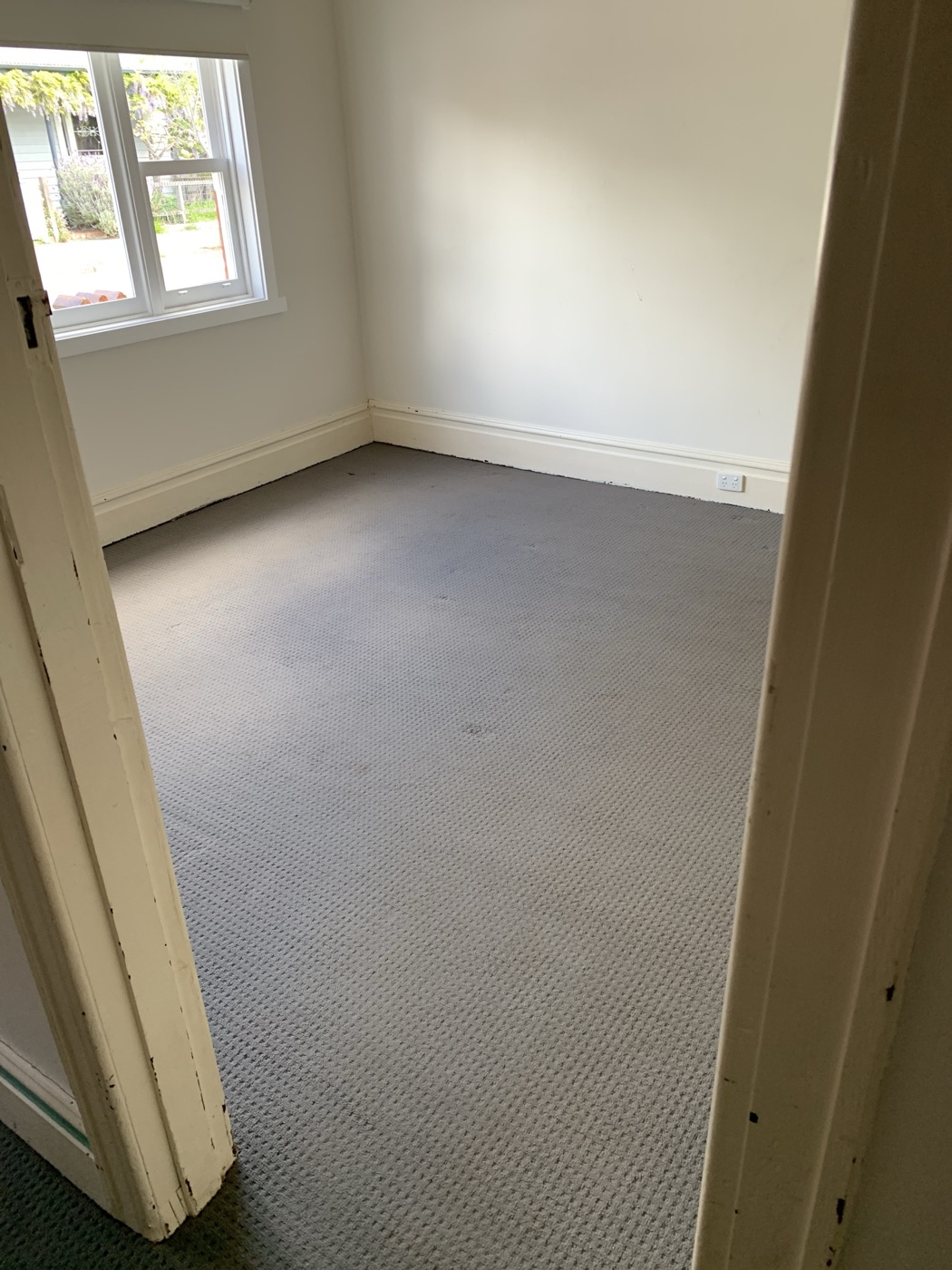
- Flooring — lifted vinyl, water-marked timber, gaps and trim that look tired the moment someone walks in.
- Windows and screens — torn flyscreens, broken latches, perished seals and stiff sashes.
- Outside — a leaning gate, a kicked fence paling, blocked gutters and overgrown edges that drag down the listing photos.
Photograph everything as you go. One clear set of photos is the difference between an accurate quote on the first try and three trips back to the property.
Sort the list by what's actually stopping the lease
Not every defect blocks a new tenancy, and trying to fix all of them at once is how a five-day turnaround becomes three weeks. Triage the list into three buckets so the right things happen first.
Bucket 1 — lease-blockers (do immediately)
- Anything affecting safety or compliance — faulty smoke alarms, exposed wiring, unsafe handrails or balustrades.
- Active leaks and water damage — these get worse and uglier every day they wait.
- Security — non-locking doors and windows, and rekeying for the new tenant.
Bucket 2 — presentation (do before photos and inspections)
- Patch and paint, regrout, fresh silicone, hardware that works.
- The quick wins that make a place feel cared for — and let you hold the rent.
Bucket 3 — nice-to-have (schedule, don't stall the lease for)
- Cosmetic upgrades and improvements the owner has flagged for "next time."
- Maintenance that can be booked into the first month of the new tenancy.
The real enemy of a fast turnaround: juggling trades
Here's where most turnarounds quietly lose a week. A typical vacated rental needs a painter, a tiler, a carpenter and a handyman for the small stuff — sometimes a plumber and an electrician too. Booked separately, that's five contractors on five different schedules, each "two weeks out," none of them owning the deadline. You become the project manager of a job you never wanted to manage, chasing callbacks between your other 80 properties.
Every handover between trades is a gap where time leaks out. The painter can't start until the plasterer's done; the tiler's waiting on the silicone to cure; the gate doesn't get fixed because it "wasn't on anyone's list." The work itself isn't slow — the coordination is.
How JT handles an end-of-lease turnaround
This is exactly the problem JT is built to remove. Every trade is in-house, so a whole turnaround — patch and paint, regrout, carpentry, locks, fence, gutters — is one job, run by one team with one point of contact. You're not chasing four contractors; you call one person who owns the property from quote to final photo.
- Instant quotes. Send through the property and the scope and you get a real price fast, often instant — so you can tell the owner the cost and timeline the same day, not next week. Renovations take time; your quote shouldn't.
- One organised crew. Trades are sequenced internally, so there's no waiting on a subbie's callback and no dead days between handovers.
- Owners and tenants kept informed. Our office liaises so you're not the messenger — schedules confirmed, owners updated, nothing falling through the gaps.
- Before-and-after photos on every job. Documented work you can forward straight to the owner, and a clean record for the next exit report.
The result property managers come back for is simple: a rental that's ready to relist in days, not weeks, with one invoice and one call instead of five — across Melbourne's inner north and east, the bayside and south-east, and everywhere in between.
A quick pre-relist checklist
Before you put it back on the market, run this last pass:
- Walls patched, scuffs gone, paint touched up and dry.
- Every door, window, lock and latch opens, closes and secures.
- Wet areas resealed, regrouted, no mould, no leaks.
- Floors clean and sound, trims and skirtings intact.
- Gates, fences and gutters sorted so the exterior photos land.
- Smoke alarms, safety and compliance items signed off.
Tick those and the property shows well, leases faster, and the owner hears one thing from you: it's handled.
Need a rental turned around fast?
Send JT the property and we'll quote the whole turnaround — often instantly. One team, one point of contact, ready to relist in days. Slow is a no-go.