
Painting & Prep
Interior Painting That Lasts: How the Pros Prep Walls
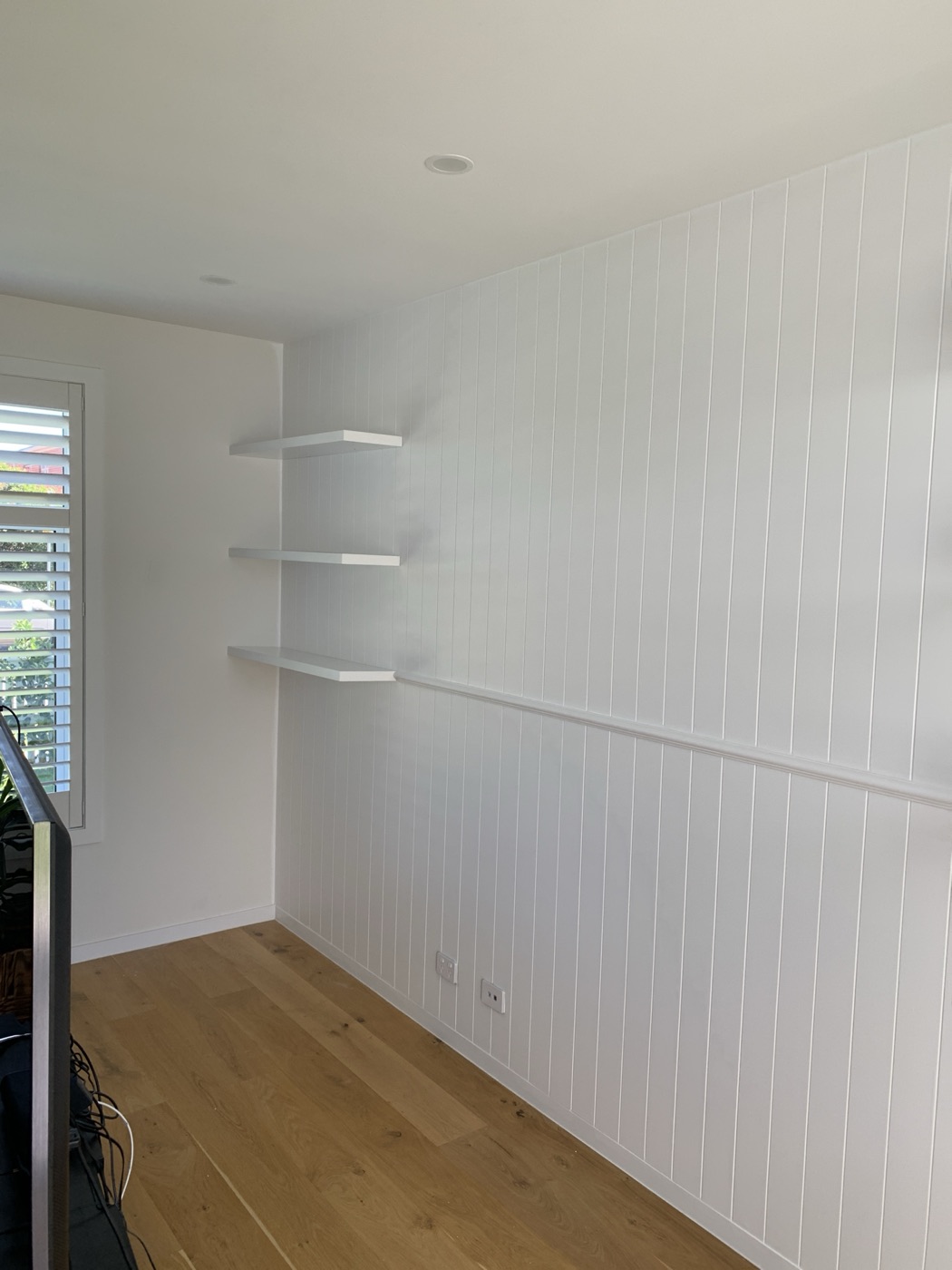
Here's the part nobody tells you about interior painting Melbourne homes: the colour on the tin is the easy bit. A wall that still looks crisp two, three, five years later isn't about the paint at all — it's about everything that happened before the first coat went on. Skip the prep and even premium paint will peel, flash and crack within a season or two.
Most of the "bad paint jobs" homeowners call us about aren't bad paint — they're bad preparation. Patches that telegraph through the topcoat. Roller lines that show in raking afternoon light. Edges that lift off skirtings because nobody cleaned or primed them. Below is how a professional crew actually preps a wall — and why it's the difference between a repaint that lasts and one you'll redo far too soon.
Why prep decides every interior painting Melbourne job
Paint is a thin film. It can only grip what's underneath it and it shows everything underneath it. If the surface is dusty, glossy, damp or full of small dents, the film either won't stick or will dry over the flaws and broadcast them. Good prep does two jobs at once: it gives the paint something to bond to, and it gives you a perfectly flat surface so the finish reads as one clean plane rather than a map of old repairs.
In Melbourne homes this matters even more because of how varied the housing stock is — a 1920s weatherboard in the inner north, a brick-veneer in the south-east, a newer apartment in the city. Plaster age, past patch jobs, moisture history and even the heating you run all change how a wall behaves. A pro reads the wall first, then preps for what's actually in front of them.
Step one: clean the surface properly
Walls are dirtier than they look. Kitchens carry a film of cooking grease, hallways collect hand marks, and bathrooms hold humidity and soap residue. Paint will not bond to any of that.
- Wash down with sugar soap or a mild detergent, then rinse with clean water and let it dry fully.
- Treat any mould before painting — never paint over it. Painting over mould just hides it for a few weeks before it bleeds back through.
- De-gloss old enamel on trims, doors and previously gloss-painted walls so the new coat has a key to grip.
Step two: repair before you paint
This is the step that separates a flat, even finish from a patchy one. Every crack, dent and dodgy old repair needs to be sorted before a brush comes out.
Cracks and plaster damage
Hairline cracks above doorways and windows are extremely common in Melbourne homes — our clay soils move with the seasons and houses shift with them. The fix isn't to fill and hope; it's to rake the crack out, fill with the right flexible compound, and in the case of recurring movement cracks, reinforce so they don't reopen. (We dig into this in our plaster crack guide.)
Holes, dents and nail pops
- Fill small holes and dents, then sand back flush — proud filler shows through paint badly.
- Spot-prime every filled area, or it'll "flash" (dry to a different sheen) and you'll see every patch through the finish coat.
Pro tip: the test of good filling isn't whether you can see it — it's whether you can feel it. Run a hand across the wall in low light. Anything you can feel, you'll see once the paint's on.
Step three: sand, dust and prime
Sanding does two things: it knocks back filler and old roller texture to a flat plane, and it scuffs glossy surfaces so paint can bite. Then — and this is the bit DIYers skip — you have to remove every speck of dust before priming, because paint won't stick to dust.
- Sand the whole wall lightly, not just the patches, so the surface is uniform.
- Vacuum and wipe with a damp cloth to lift sanding dust.
- Prime bare plaster, patched areas and any stains. A stain-blocking primer stops water marks, smoke and old colours bleeding through your fresh paint.
Priming isn't optional on new plaster or heavy repairs. Skip it and the topcoat soaks in unevenly, leaving dull patches no amount of extra coats will fully hide.
Step four: mask, cut in and roll with patience
Even perfect prep can be let down at the finish. Clean masking on skirtings, architraves and cornices gives you the sharp lines that make a job look professional. Then it's technique: cut in the edges with a good brush, keep a wet edge as you roll so coats blend, and don't overload the roller. Two even coats almost always beat one thick one.
Melbourne's weather plays a part too. A cold, damp snap slows drying and can leave the finish tacky or flashing; a dry northerly pulls the paint over too fast. Pros time their coats to the room, not just the clock.
How JT handles this
Plenty of painting jobs aren't really just painting. A wall that needs repainting often needs a plaster repair first, or a cornice fixed, or a sticking door re-hung, or water damage chased back to its source. That's exactly where chasing separate trades turns a weekend job into a month of phone tag.
JT is a Melbourne property repairs and maintenance team that does it all in-house — one team, one point of contact, one job that actually finishes. We went from one person to a 24-strong crew in under two years (and hold a 5.0 Google rating) precisely because we don't sub the messy bits out. The plasterer who fills your cracks, the carpenter who fixes the trim and the painter who lays the finish all answer to the same person managing your job.
And because slow is a no-go, you don't wait days for a price. Tell us what the room needs and your quote is often instant — so prep, repair and a finish that lasts can all start sooner.
Want a finish that actually lasts?
One team handles the prep, the repairs and the paint. Renovations take time — your quote shouldn't.