
Laminate vs Vinyl vs Timber-Look: The Real Differences for Rentals
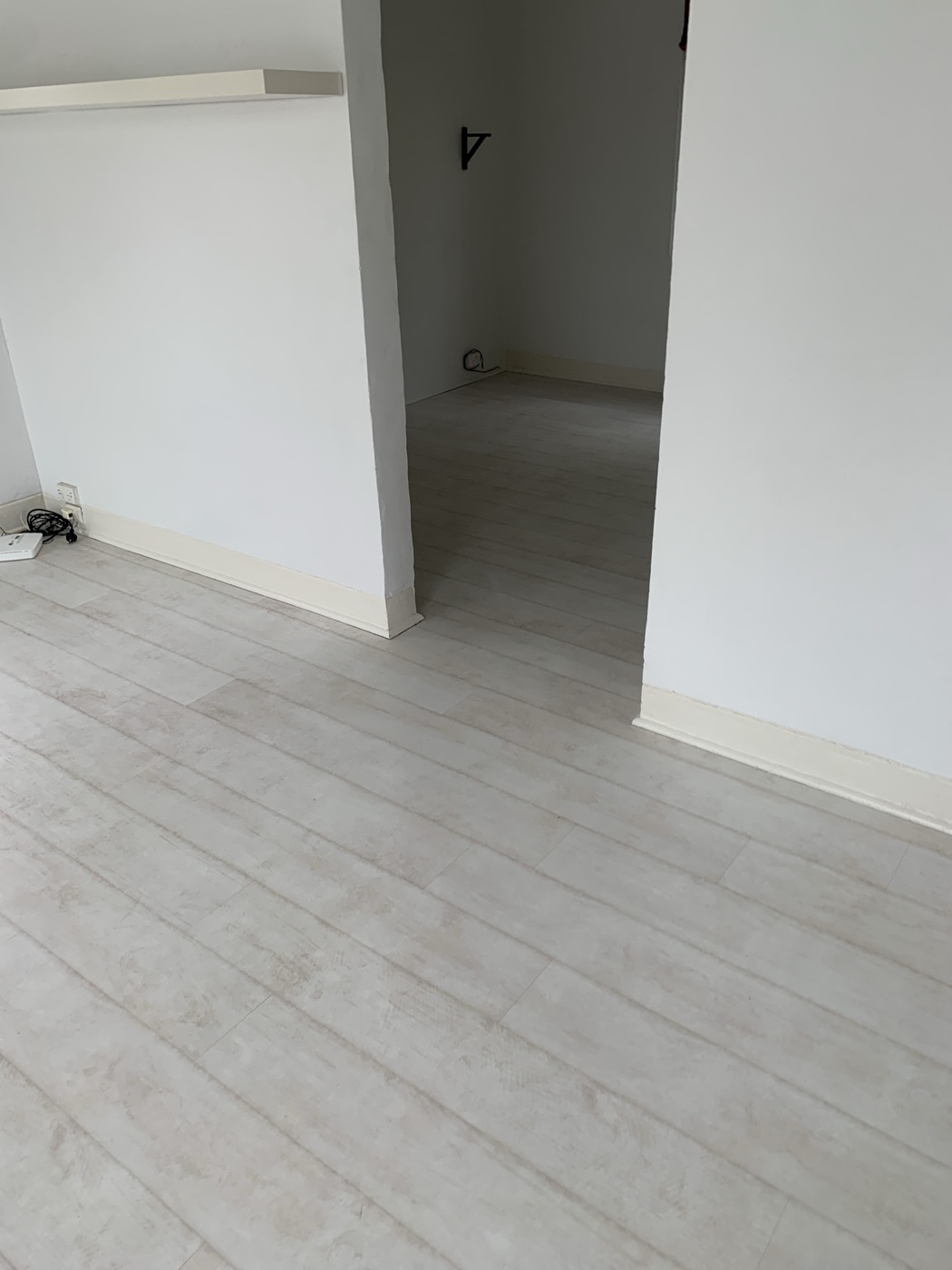
If you manage rentals across Melbourne, flooring is one of the few line items a tenant lives on every single day — and one of the first things a prospective renter judges at an inspection. Get it wrong and you're back to quoting a re-do between tenancies. This is the honest, jargon-free rundown of laminate, vinyl and timber-look, and where good-quality laminate flooring Melbourne agents specify actually earns its place in a tenanted property.
The three terms get used loosely, often by the same person in the same sentence, so the first job is untangling what they actually mean. From there it's a much faster decision.
First, what these floors actually are
"Timber-look" isn't a material — it's a look that laminate, vinyl and engineered timber all chase. So you're really choosing between three constructions, each pretending (to varying degrees of success) to be a solid hardwood floor.
- Laminate — a high-density fibreboard core with a printed timber-look image and a tough clear wear layer on top. Clicks together as floating planks. Hard, scratch-resistant, budget-friendly.
- Vinyl (luxury vinyl plank / hybrid) — a plastic-based plank, often with a rigid SPC core. Also a printed timber look, but the key difference is it's genuinely water-resistant. Softer and quieter underfoot.
- Engineered timber-look — a real timber veneer over a plywood core. The only one that's actually wood on the surface, and priced accordingly.
The honest trade-offs for a rental
For owner-occupiers the decision is mostly about taste. For a rental, the maths is different: you're optimising for durability, water tolerance, repair cost and how it photographs at the next inspection. Here's how each stacks up.
Water — the deal-breaker in tenanted homes
Tenants spill, overfill washing machines, and don't always report a slow leak under the dishwasher straight away. This is where laminate's weakness shows: its fibreboard core swells if water sits in the joints, and a swollen plank can't be sanded back — it has to be replaced. Vinyl shrugs water off. If you're flooring a kitchen, laundry or a bathroom-adjacent hallway in a rental, vinyl (or a quality hybrid) is the safer call almost every time.
Wear, scratches and pets
- Laminate has the hardest surface of the three — it resists scratching from furniture and pet claws very well, which is why it's still a workhorse in living areas and bedrooms.
- Vinyl is more scratch-resistant than people expect but softer, so dragged furniture or grit can mark it over a long tenancy.
- Engineered timber looks the best but dents and scuffs the easiest, and a determined dog can write off a board — usually overkill for a standard rental.
Noise, comfort and complaints
In a townhouse or an upstairs apartment, laminate can be the loud one — hard underfoot and prone to that hollow "click-clack" that generates downstairs complaints. A good acoustic underlay fixes most of it, but vinyl is naturally quieter and warmer underfoot, which matters in older Melbourne stock with no slab heating.
Repair and turnover cost
This is the one property managers feel most. With floating laminate and click vinyl, a damaged board in the middle of a room can mean lifting back to the wall to swap one plank — so keeping a few spare boxes from the original batch is genuinely worth it. Match a damaged plank years later and you'll struggle: dye lots and product lines change. Buy a little extra up front and store it; it's the cheapest insurance in property maintenance.
So which one for a Melbourne rental?
There's no single winner — it's room by room. A simple rule of thumb that holds up across the portfolios we work on:
For most standard Melbourne rentals chasing the best balance of cost, looks and durability, the sweet spot is a mid-range laminate through the dry living zones with vinyl wherever water is a risk. It presents like timber, survives back-to-back tenancies, and keeps your between-lease spend predictable.
Watch the subfloor — it's where rental jobs go wrong
The flooring product matters less than what's underneath it. Melbourne's mix of older timber-stump homes and concrete-slab units throws up two recurring problems on rental jobs:
- Uneven or springy subfloors in period homes — lay a floating floor over a bouncy base and you'll get flexing joints and that hollow sound within months.
- Slab moisture in ground-floor units — without a moisture barrier, water vapour comes up through the concrete and can lift planks. A quick moisture test before laying saves an expensive callback.
A floor that fails early isn't a flooring problem, it's a prep problem — and it's almost always cheaper to do the prep once than to re-lay between tenants.
How JT handles this
Flooring for rentals is exactly the kind of job our model is built for. JT is a Melbourne property repairs and maintenance team — one team, one point of contact — that grew from one person to 24 staff in under two years on a simple promise: turn up, communicate, get it done. We're 5.0-star rated on Google.
When you send us a rental, you don't get handed between a flooring sub, a carpenter and whoever can patch the skirting after. One contact owns it end to end:
- We assess the subfloor and the room's water risk before recommending a product — not after the boxes arrive.
- We handle the related trades in-house: lifting old floor coverings, levelling, skirting, door undercuts and the touch-up paint, all coordinated by the same team.
- You get an instant quote — renovations take time, but your quote shouldn't, especially when you're trying to turn a property around between leases. Slow is a no-go.
- Before-and-after photos on every job, so you've got inspection-ready documentation for the owner and the file.
The result is a floor specified for the room, laid on a sound base, and ready to photograph for the next listing — with one phone number to call if anything ever needs a second look.
Flooring a rental between tenants?
Get a fast, no-nonsense quote from one Melbourne team that handles the floor and everything around it. Renovations take time — your quote shouldn't.