
Plastering & Patching
Cracks in Your Walls or Ceiling? When It's Cosmetic and When It's Not
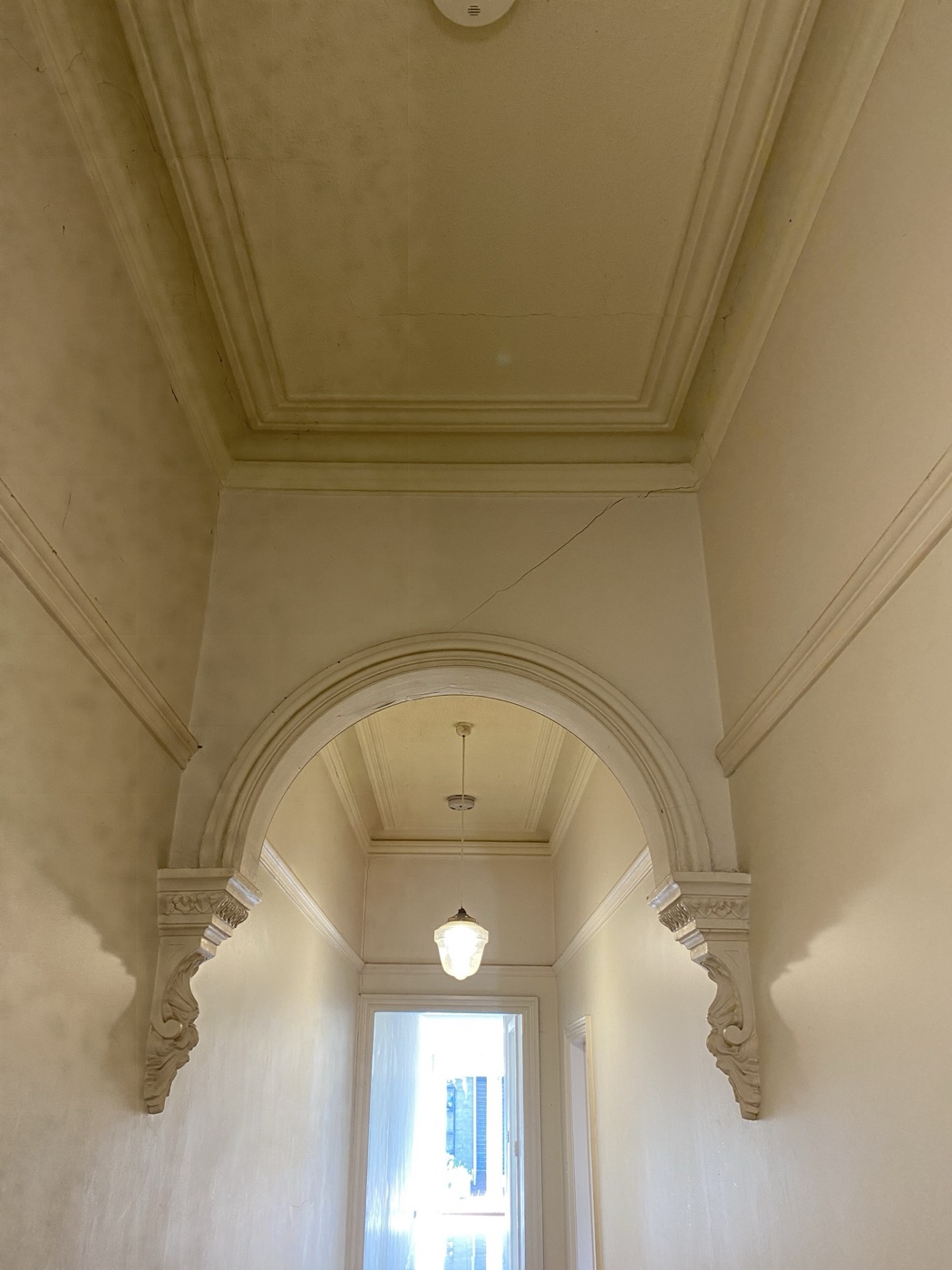
You notice it one morning — a thin line running up from the corner of a doorway, or a hairline crack tracking across the ceiling above the couch. Your stomach drops a little. Is the house moving? Is it expensive? Or is it nothing? For most Melbourne homeowners, that single crack turns into weeks of quiet worry. The good news: a lot of cracks are completely harmless, and quality plaster repair in Melbourne is a quick, affordable fix. The trick is knowing which cracks you can patch and forget, and which ones are your home trying to tell you something.
This guide walks you through the difference in plain language — no jargon, no scare tactics. It's grounded in the plastering and patching work the JT team does across Melbourne homes every week, from inner-north terraces in Thornbury and Brunswick to brick-veneer homes out in the suburbs.
Why plaster and walls crack in the first place
Cracking is normal. Almost every home in Melbourne has moved a little since the day it was built, and plaster — being rigid — shows that movement before anything else does. The most common, harmless causes are:
- Seasonal movement. Melbourne's clay-heavy soils swell when wet and shrink when dry. Through a hot summer and a wet winter, the ground under your slab or stumps expands and contracts, and your walls flex with it.
- House settling. Newer homes and recent extensions settle into the ground over their first few years. Older homes on timber stumps move as the stumps age.
- Drying and shrinkage. Fresh plaster, render and even paint shrink slightly as they cure, leaving fine surface lines — especially around recently renovated rooms.
- Vibration and impact. Slamming doors, heavy footsteps on a suspended floor, or nearby roadworks and construction can all shake loose a hairline crack.
None of these are, on their own, a reason to panic. The question is always the same: what does the crack look like, and is it changing?
The cosmetic cracks you can stop worrying about
Most of the cracks we're called out to in Melbourne homes are purely cosmetic — they affect how a room looks, not whether it's safe. Tell-tale signs that a crack is harmless:
- It's hairline thin — roughly the width of a strand of hair, or less than about 2 mm. You often can't fit a fingernail into it.
- It follows a join or a fixing line. Cracks that run along a plasterboard sheet join, a cornice, an architrave or the line of a nail or screw are almost always surface-level.
- It appears after a season change and doesn't keep growing once the weather settles.
- It's in one spot only, not repeated in a pattern across multiple rooms.
Common cosmetic culprits in Melbourne homes
- Fine cracks above doorways and windows, where the frame meets the wall.
- Hairline ceiling cracks tracking along a plasterboard join.
- Shrinkage lines in a freshly painted or recently rendered wall.
- Cornice cracks where the ceiling and wall meet and move at slightly different rates.
These are bread-and-butter plastering and patching jobs: rake out the crack, fill, sand, set and repaint so the wall looks like it was never touched. The skill is in the finish — a poorly patched crack telegraphs straight back through the paint within months. Done properly, it disappears for good.
The cracks that mean "get it looked at"
Some cracks are worth a closer look, because the plaster is reacting to something structural behind it. Filling these without addressing the cause just hides the problem until it comes back wider. Treat the following as a "call someone" list rather than a "patch it yourself" list:
- Wide cracks — anything you can comfortably fit a fingernail or coin edge into, roughly 5 mm or more.
- Diagonal cracks running at an angle from the corners of doors and windows, especially in a stair-step pattern through brickwork.
- Cracks that keep growing over weeks or months, or that you've already filled once and they've come back.
- Doors and windows that have started sticking or no longer close squarely — a sign the frame is being pushed out of shape.
- Cracks paired with sagging, a bulging ceiling, or brown water staining (which usually points to a leak above, not movement).
- Cracks wider at one end than the other, which suggest the wall is rotating, not just shrinking.
A simple at-home test: mark each end of a crack with a pencil and note the date. Check it again after a few weeks. If it hasn't moved, it's almost certainly cosmetic and ready to patch. If it's grown, it's worth having someone assess the cause before you fill it.
Ceiling cracks: usually fine, sometimes not
Ceilings get their own mention because they worry people the most — and most of the time, they shouldn't. A fine, single ceiling crack that follows a plasterboard join is typically just the sheets and the structure above moving with the seasons. It's a routine patch.
What does deserve attention up there:
- A ceiling that sags or bows rather than just cracks — a sign the plasterboard fixings may be letting go.
- Brown or yellow staining around a crack, which almost always means water from a roof leak, a failed flashing, or a bathroom above — a plumbing or roofing issue, not a plastering one.
- A crack that runs right around the edge of a room where the ceiling meets the cornice and keeps opening up.
In older Melbourne homes, lath-and-plaster and ornate ceilings need a gentler, more careful repair than modern plasterboard — patched the wrong way, you lose the character that makes those rooms special.
Should you DIY it or call someone?
A single hairline crack in an easy-to-reach spot is a fair weekend job if you're handy — fill, sand, prime and paint. Where homeowners come unstuck is matching the finish: getting the patch dead flat, feathering the edges so it disappears, and matching the paint sheen and colour so you can't see the repair in raked light. It's also easy to fill a crack that simply reopens because the real cause was never dealt with.
It's worth getting a professional in when:
- The crack is on the "get it looked at" list above.
- It's high up, on a ceiling, or in an awkward spot like a stairwell.
- You've got several cracks to chase across multiple rooms.
- You want the wall to look genuinely original — not "patched" — afterwards.
How JT handles cracks and plaster repair in Melbourne
This is exactly the kind of work the JT team does day in, day out across Melbourne — plastering and patching that's grounded in real jobs, not guesswork. Here's what makes it painless from your side:
- One team, one point of contact. If your crack turns out to be a plumbing leak or a sticking door rather than just plaster, you don't go hunting for another trade. JT runs every trade in-house, so one team and one person owns the whole fix — quote to final photo.
- An honest assessment first. We'll tell you straight up whether it's a five-minute cosmetic patch or something worth investigating, rather than papering over a problem.
- A finish that disappears. Rake, fill, set, sand, prime and paint to match — so the wall reads as if the crack was never there.
- An instant quote. Renovations take time; your quote shouldn't. Tell us what's going on and you'll often have a real price back on the spot.
It's the same approach that grew JT from one person to a 24-strong in-house team in under two years, with a 5.0 Google rating to match. One team. One point of contact. One-stop shop.
The bottom line
Most cracks are your home doing exactly what homes do — moving a little with the seasons — and they're a quick, tidy plaster repair away from gone. A smaller number are worth a closer look before you patch. If you're unsure which one you're staring at, the safest move is a quick set of eyes from someone who fixes them all the time. No drama, no pressure — just a clear answer and a price.