
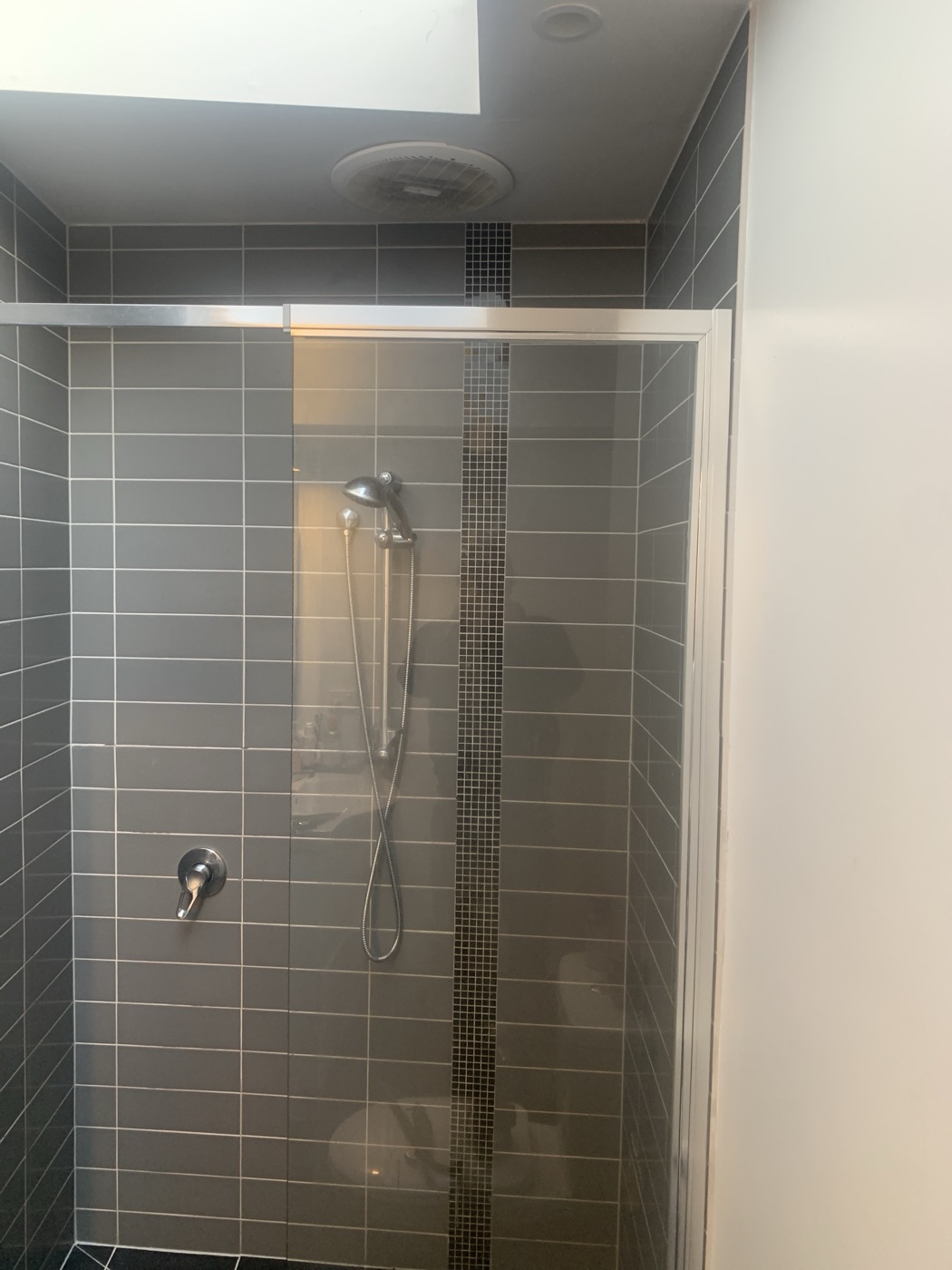
Regrouting vs Retiling: Which Does Your Bathroom Actually Need?
Your bathroom is looking tired. The grout's gone grey and grubby, maybe a tile sounds hollow, and there's a patch of mould that keeps coming back no matter how hard you scrub. So which is it — a quick regrout, or do you need to rip the whole lot out and start again? Get this call wrong and you either waste money tearing out perfectly good tiles, or you spend a weekend regrouting over a problem that's actually rotting the wall behind it. This guide walks Melbourne homeowners through how to tell the difference, and when a regrouting bathroom Melbourne job is genuinely all you need versus when retiling is the smarter spend.
First, what grout actually does (and why it fails)
Grout isn't just the stuff filling the gaps to look neat. In a wet area it's part of the waterproofing system — it locks the tiles in place and stops water sneaking behind them. When grout cracks, crumbles or goes powdery, those lines stop doing their job, and water starts getting where it shouldn't.
In an older Melbourne home — think the period places across the inner north, or a 90s ensuite in the south-east — grout fails for a few predictable reasons:
- Age. Cement-based grout simply wears out over 10–15 years, especially in a shower that's used every day.
- Movement. Houses shift and flex. Brittle old grout cracks along the lines that take the most stress.
- Cleaning products. Harsh acidic cleaners slowly eat the grout away.
- Bad original work. If the grout was too thin or never sealed, it was always going to fail early.
The good news: failing grout on its own does not mean your tiles are done. It often just means the grout is — and that's the cheaper of the two problems to fix.
When a regrout is all you need
Regrouting means raking out the old grout and replacing it with fresh grout (and re-sealing the silicone in the corners while we're at it). It's far cheaper, far faster, and far less disruptive than retiling. You're looking at a job measured in a day or two, not a fortnight, and your tiles stay exactly where they are.
A regrout is usually the right call when:
- The tiles themselves are solid — none are cracked, loose or hollow-sounding.
- The problem is cosmetic — discoloured, stained or patchy grout that won't come clean.
- Grout is cracking or crumbling in the lines, but the wall behind feels firm.
- The silicone in the corners and around the bath has gone mouldy or peeled away.
- You actually like your tiles and just want the bathroom feeling fresh again.
A good regrout can take ten years off a bathroom for a fraction of a renovation. If your tiles are still in style and structurally fine, don't let anyone talk you into a full retile you don't need.
When you actually need to retile
Retiling means removing the old tiles, fixing whatever's underneath, re-waterproofing and laying new tiles. It costs more and takes longer — but in the right situation it's the only thing that genuinely fixes the problem. New grout over a failing wall is lipstick on a leak.
Lean towards retiling when:
- Tiles are loose, cracked or hollow. Tap them — a hollow "drummy" sound means they've come away from the wall, and water is almost certainly getting behind.
- The waterproofing has failed. If water has been getting through the grout for years, the membrane behind the tiles may be shot. No amount of regrouting fixes that.
- There's water damage behind the tiles. Soft, bulging or stained walls, peeling paint on the other side of the wall, or a musty smell that never clears.
- Mould keeps coming back. If it returns within weeks of a deep clean, it's often growing behind the tiles, not on them.
- You're renovating anyway. New layout, new fixtures, dated tiles — if you're changing the look, retiling is part of the job.
The hollow-tile test: gently tap across your shower and floor tiles with a knuckle or the handle of a screwdriver. A solid "tick" means the tile is well bonded. A hollow "drum" sound means it's lifted off the wall — a regrout won't save it, and water is likely already getting behind.
Regrout vs retile, side by side
Here's the honest comparison most homeowners are really after:
| Regrout | Retile | |
|---|---|---|
| Best for | Sound tiles, tired or stained grout | Loose tiles, failed waterproofing, water damage |
| Typical timeframe | Usually a day or two | Around one to two weeks |
| Disruption | Low — bathroom back in use quickly | High — bathroom out of action for the job |
| Cost | Much lower | Significantly more |
| Fixes the look | Yes | Yes |
| Fixes leaks behind tiles | No | Yes |
Rough rule of thumb: if the tiles are good and only the grout looks bad, regrout. If the tiles or the wall behind them are failing, retile. The trick is being honest about which one you're actually looking at — and that's exactly what a proper inspection sorts out.
The grey area — and why a real look matters
Plenty of bathrooms sit somewhere in the middle. The tiles look fine, but there's one stubborn damp patch. Or the grout's clearly shot, but you're not sure whether the water's already done damage behind it. From a photo, even we can't always tell — and neither can you. A small leak that's been quietly running for a couple of years can mean the difference between a one-day regrout and a wall that needs opening up.
That's why the worst thing you can do is guess and DIY-regrout over a hidden problem. It hides the symptom, the water keeps moving, and the eventual repair gets bigger and more expensive. A ten-minute look from someone who does this every week saves you from spending money in the wrong place.
How JT handles this
JT is a Melbourne property repairs and maintenance team that has grown from one person to a 24-strong, in-house crew in under two years — with a 5.0 Google rating to show for it. Bathrooms, tiling and grout are bread-and-butter work for us, and we handle the whole thing under one roof.
Because every trade is in-house, you're not stitching together a tiler, a waterproofer and a handyman who each blame the other when something's off. With JT it's:
- One team — the same crew assesses the grout, the tiles and the waterproofing, so nothing falls through the cracks (literally).
- One point of contact — one person owns your job from the first look to the final photo. You always know who to call.
- An instant quote — answer a few quick questions and get a real price fast, often on the spot. Renovations take time; your quote shouldn't.
If it's a straightforward regrout, we'll tell you that and not upsell you a renovation. If a tile sounds hollow or there's water damage behind the wall, we'll show you why retiling is the spend that actually fixes it. Either way you get a clear, honest answer and a price — not a fortnight of chasing trades.
Not sure if it's a regrout or a retile?
Let JT take a look. One team, one point of contact, and an instant quote — so you spend on the fix you actually need, not the one you don't.