
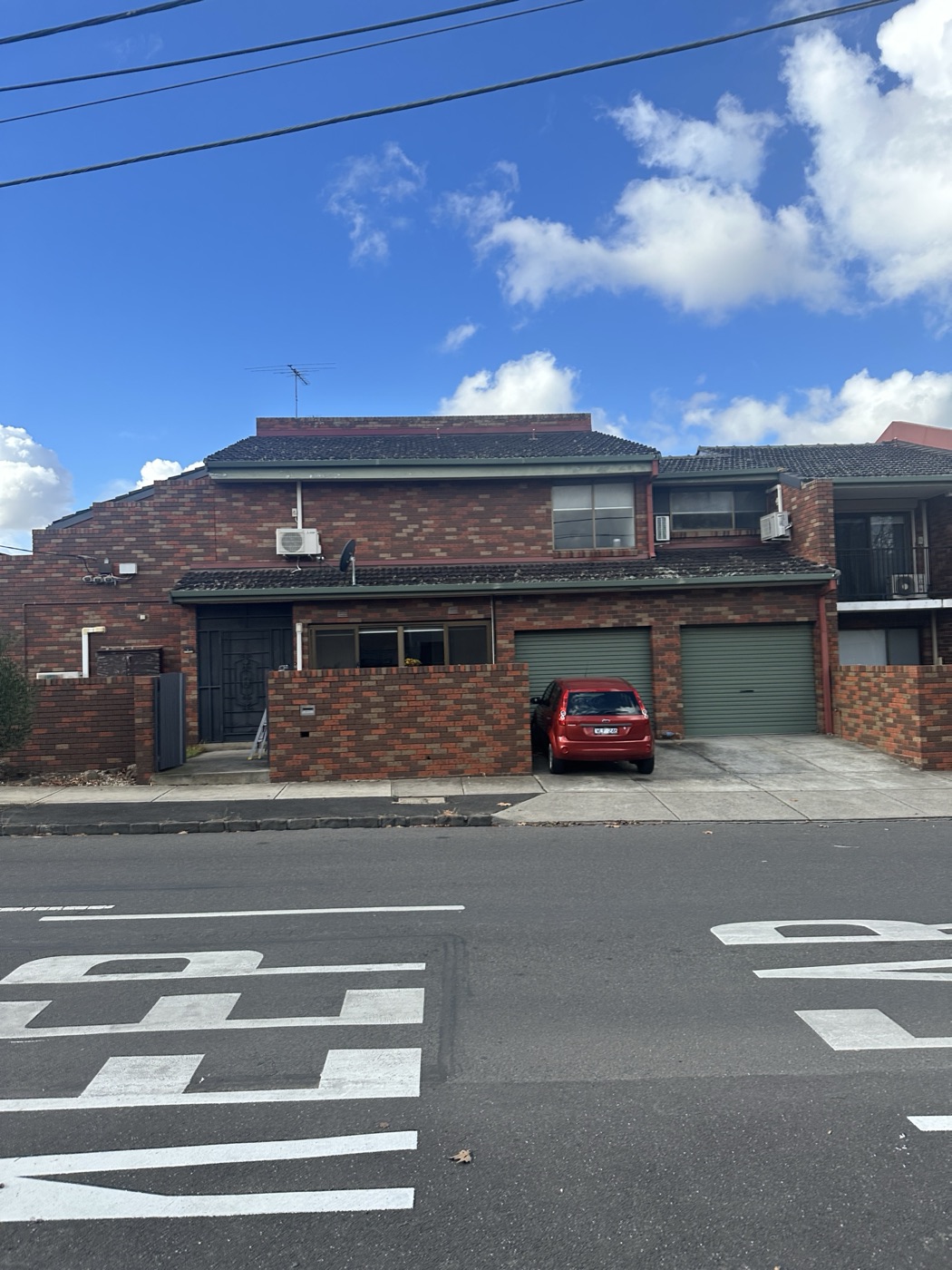
Roof Leaks in Melbourne Weather: How They Start and How to Stop Them
If you've lived through a Melbourne winter, you already know the city does "four seasons in one day" better than anywhere. A still morning, a 40-degree gust off the bay by lunch, then a sideways downpour by dinner. That constant swing of heat, wind and rain is exactly what finds the weak spot in a roof — and once water gets in, it doesn't politely wait for you to notice. Knowing how leaks actually start is the first step to roof leak repair in Melbourne that fixes the cause instead of chasing the stain. Here's what's really going on above your ceiling, and how to stop it before it turns into a much bigger bill.
This isn't about scaring you up a ladder. It's about understanding the handful of things that fail, the early warning signs most homeowners miss, and how a one-team approach gets it sorted without the runaround.
Why Melbourne weather is so hard on roofs
A roof isn't a static thing — it's constantly moving. On a hot Melbourne day, tiles, metal sheeting, flashing and sealant all expand. Overnight, as the temperature drops, everything contracts again. Do that thousands of times a year and joints that were once tight start to open up. Then add the wind: northerly gusts in summer and the southerly buster can lift tiles, peel back ridge capping and drive rain upward under the laps where no roof is designed to hold it out.
Our older housing stock makes it worse. Across the inner north, Brunswick, Thornbury and Reservoir, plenty of homes carry decades-old terracotta tiles and lime-mortar bedding that's gone brittle. Out in the bayside and south-east suburbs, salt air accelerates rust on metal roofs and fixings. None of it fails on a calm day — it fails in the exact storm that makes getting someone out hardest.
The most common causes we find
The good news is that a leaking roof almost always comes back to one of a small number of culprits. Pinpointing which one is the whole job — it's the difference between a half-day repair and re-doing an entire roof you didn't need to touch.
Cracked or slipped tiles
A single cracked, chipped or slipped terracotta or concrete tile is the classic Melbourne leak. Hail, foot traffic from a previous tradesperson, or simple age opens a path, and the storm does the rest. The tricky part: water often runs along the timber battens and shows up on a ceiling several metres from the actual broken tile.
Failed ridge capping and bedding mortar
The mortar that beds and points the ridge capping along the peak of a tiled roof is one of the first things to perish. As it cracks and crumbles, the caps loosen and rain drives straight in along the ridge line. Re-bedding and re-pointing is a far more common fix than people expect.
Rusted or lifted flashing
Flashing is the metal that seals the joins — around chimneys, skylights, vents, and where the roof meets a wall. It's almost always the first thing to fail because it does the hardest job. Once flashing rusts through, splits or lifts in the wind, water has a direct line into the structure.
Blocked gutters, valleys and downpipes
Not every "roof leak" is the roof. When gutters and valley irons clog with leaves and silt, a heavy Melbourne downpour has nowhere to go, so it backs up under the tiles and over the fascia. This is one of the most common — and most preventable — causes we get called to.
Aged sealant around penetrations
Every point where something pokes through the roof — a vent pipe, an aerial mount, an old solar bracket, a whirlybird — relies on sealant that perishes in the UV. Once it goes hard and cracks, that penetration becomes a quiet, year-round entry point.
Telltale signs you've got a roof leak
- A brown or yellow water stain spreading across a ceiling or down a wall
- Paint that's bubbling, flaking or sagging, or a ceiling that feels soft
- A musty, damp smell in a room or roof space that never quite clears
- Drips, beads of water or visible damp in the roof cavity after rain
- Cracked ridge capping, slipped tiles or rust spots visible from the ground
- Gutters overflowing during rain instead of draining away
Why a small roof leak gets expensive quietly
Roof leaks are sneaky because the damage happens out of sight, in the roof cavity, long before a stain reaches your ceiling. By the time you can see it, water has often been tracking through for weeks. Left alone, a slow leak leads to:
- Rotting roof timbers, battens and rafters — structural repairs cost far more than the original fix
- Soaked, sagging plasterboard ceilings that eventually crack or collapse
- Black mould in the roof space and on cornices — a health issue, not just a cosmetic one
- Ruined insulation that stops doing its job, so your heating and cooling work harder
- Wet wiring in the ceiling — a genuine safety hazard worth taking seriously
That's why we treat a leak as a "find the source" job, not a "throw silicone at the stain" job. Sealing the symptom without fixing the cause just hides the problem until the next big storm makes it worse.
How JT pinpoints the cause (instead of guessing)
Guesswork is what turns a single cracked tile into a re-roofed house. We work through it methodically so we only open up and replace what actually needs it.
- Inspect from the inside and out. We check the roof cavity for the entry point and water tracks, then inspect the tiles, ridge, flashing, valleys and gutters up top to match the two.
- Trace it back to the source. Water travels, so where it drips inside is rarely where it gets in. We follow it back to the real point of entry before committing to any fix.
- Match the fix to the cause. Cracked tiles get replaced. Perished mortar gets re-bedded and re-pointed. Rusted flashing gets renewed. Blocked gutters get cleared and checked for fall. No more than the job needs.
- Repair the flow-on damage. Because every trade is in-house, the same team that stops the leak also patches the stained ceiling, replaces wet plaster and repaints — no second contractor, no second wait.
Stopping the next leak before it starts
Most roof leaks are predictable, which means a lot of them are preventable. A few simple habits go a long way in Melbourne's climate:
- Clear your gutters and valleys at least twice a year — before winter and after autumn leaf-drop are the big ones.
- Look up after a storm. A quick check from the ground for slipped tiles, lifted caps or rust spots catches problems while they're cheap.
- Don't ignore a first stain. The faint mark is the cheapest moment to fix a leak. Waiting for it to get "bad enough" is what makes it expensive.
- Get a maintenance check on older roofs. If your home's tiles and bedding are decades old, a periodic once-over beats an emergency callback mid-downpour.
How JT handles this
This is exactly the kind of job JT is built for. A roof leak rarely stays on the roof — it touches roofing, gutters, plastering, painting and sometimes carpentry where timber's gone soft. That's four or five trades on a normal job, and four or five people to chase. With JT you deal with one team and one point of contact who owns the whole thing, from the first inspection in the roof cavity to the final coat of paint on the ceiling.
It's the same model that grew JT from one person to a 24-strong in-house team across Melbourne in under two years, with a 5.0 Google rating to show for it. One organised crew, in-house, that turns up when it says it will and finishes the job. And because we quote off our own pricing, you can often get an instant quote on the spot instead of waiting a fortnight for a callback that never comes. Renovations take time — your quote shouldn't.
Get your roof leak sorted, fast
Tell us what's happening and get a real price from a team that finds the cause, not just the stain. One call, one team, one job done right.