
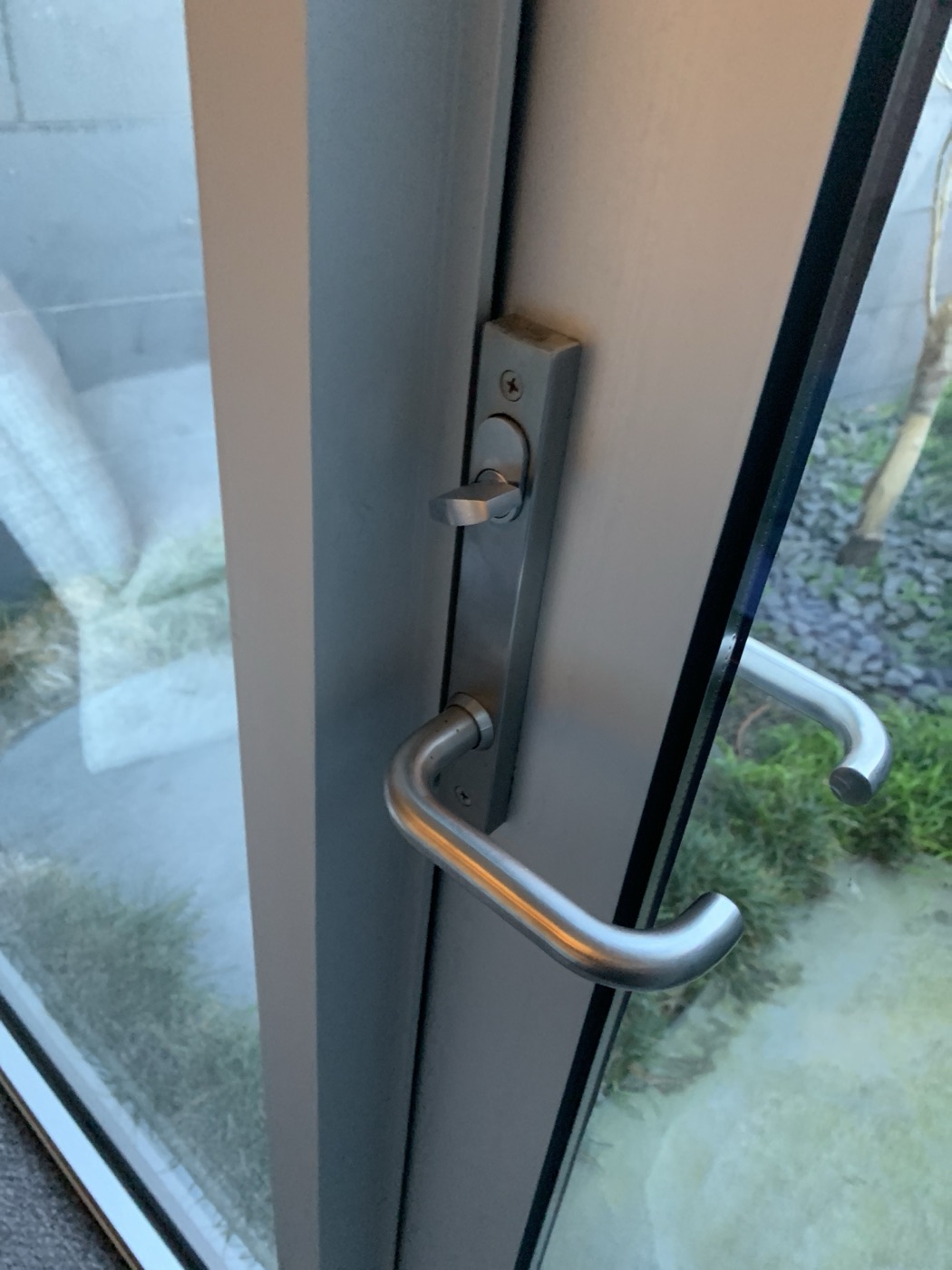
Strike Plates, Hinges and Latches: Small Fixes That Stop Big Headaches
Ask any property manager what tops the after-hours callout list and a sticking door is never far from the top. A tenant can't get the deadbolt to throw, a security door won't latch, an entry door has to be slammed to lock — and what should have been a five-minute adjustment is suddenly an emergency, a forced lock, and a frustrated tenant on the phone. Most door lock repair Melbourne jobs we attend didn't start as a broken lock at all. They started as a misaligned strike plate, a loose hinge or a worn latch that nobody actioned. This guide is about catching those small faults early — because the cheapest door repair is the one you book before the lock gives up.
Why door hardware drifts out of alignment
Doors are one of the few parts of a building that move thousands of times a year, in a frame that's quietly moving too. Across Melbourne's swing from cold, damp winters to dry summers, timber doors and jambs expand and contract, settle on their hinges, and shift just enough to throw a latch out of its strike plate. Add a few hundred firm pulls from tenants and the hardware loosens further. None of it is dramatic — which is exactly why it gets ignored until the door won't lock at all.
The three parts that go first are predictable:
- The strike plate — the metal plate on the frame the latch drops into. When the door drops or the frame moves, the latch no longer lines up with the hole and the door has to be lifted or slammed to lock.
- The hinges — screws back out of softened or oversized holes, the door sags, and the top of the door starts catching on the frame.
- The latch and lock body — springs weaken, cylinders wear, and a key that "needs jiggling" is a lock telling you it's near the end.
The small faults that become big callouts
Here's the pattern we see again and again across rentals and owners-corporation common doors. A fault that's obvious for weeks gets logged as "minor," then fails at the worst possible moment.
The strike plate no one adjusted
A latch that misses its strike by even two or three millimetres forces the tenant to push the door hard to lock it. Every forced lock stresses the latch and the lock body. Left alone, the latch eventually shears or the cylinder jams — and a $0 plate adjustment becomes a lock replacement plus an emergency callout fee.
The hinge screw that kept "working loose"
One sagging hinge changes the whole geometry of the door. The door binds at the top, drags on the floor, and the deadbolt no longer aligns with its keeper. Tenants report a "sticking door"; the real cause is three loose screws that take minutes to re-seat or step up to a longer fixing.
The lock that "just needs jiggling"
A worn cylinder or tired latch spring is a lock on borrowed time. The day it finally seizes, it usually seizes locked — with someone standing outside in the weather. That's the callout that costs the most and reflects worst on the managing agent.
A door that has to be slammed to lock isn't a quirk. It's a fault counting down to a callout.
What property managers should look for at inspection
You don't need to be a locksmith to flag the early warning signs. At routine inspections — and especially at changeover — a 30-second check on every external and security door catches most of these before they escalate:
- Does the door latch and lock without being lifted, leaned on or slammed? If not, the strike plate or hinges need attention.
- Can you see fresh timber, shiny metal or scrape marks where the latch is hitting the plate instead of dropping in? That's misalignment marking itself.
- Do the hinge screws sit flush, or have any backed out? A backed-out screw is a sagging door in waiting.
- Does the key turn smoothly, or does it need a wiggle? Wiggling is a worn cylinder warning you.
- On security and screen doors, does the latch line up with its keeper, or has the door dropped?
Logging "deadbolt needs to be lifted to throw — strike plate likely out" gives a tradesperson everything they need to fix it in one visit, rather than diagnosing it from scratch. Across a managed portfolio, that specificity is the difference between one tidy maintenance round and a string of repeat visits.
Repair, adjust or replace?
The right call depends on what's actually worn, and it's worth knowing so you can brief owners with confidence:
- Adjust — most misaligned strike plates and minor latch faults are an adjustment, not a replacement. Repositioning the plate, enlarging the keeper hole or re-seating hinge screws restores the door for very little.
- Repair — sagging doors usually need hinges re-fixed or stepped up to longer screws, sometimes a packer behind the hinge. The lock itself often stays.
- Replace — once a cylinder is worn, a latch spring has gone, or a tenant has changed and keys are unaccounted for, replacing the lock or re-keying is the responsible call for security and for the owner's peace of mind.
The trap is defaulting to "replace the lock" when an adjustment would have done — or patching a worn lock that should have been replaced. Getting that judgement right on the first visit is what keeps maintenance budgets predictable.
How JT handles door lock and hardware jobs
This is exactly the kind of work JT was built for. We're a Melbourne property repairs and maintenance team that grew from one person to a 24-strong in-house crew in under two years, and we're 5.0 Google rated — largely because we turn up, communicate, and finish the job. For locks and door hardware, that means:
- One team, one point of contact. You log the door fault with one person who owns it end to end — no chasing a separate locksmith, then a carpenter, then a chaser to confirm it's done.
- One-stop shop. If the strike plate is out because the door has dropped, the frame's moved, or the timber's tired, we handle the carpentry and the hardware in the same visit. Many "lock" problems are really door problems, and our crew fixes both.
- Instant quotes. Renovations take time; your quote shouldn't. You put in the details and get a real price fast, so you can approve the work and brief the owner without waiting days on a callback.
- Photographed and signed off. Before-and-after photos on every job, so your file shows exactly what was done — handy at the next inspection or end of lease.
For a managed portfolio, booking the loose hinge and the drifting strike plate before they fail is what turns reactive, after-hours scrambles into a planned maintenance round. That's the whole point of one organised team that respects your time: slow is a no-go.
Got a sticking door or a lock on its last legs?
Don't wait for it to fail at 9pm on a Friday. Get a fast, real quote from one team that handles the door and the hardware in one visit.