
Choosing and Installing Timber Flooring in a Melbourne Home
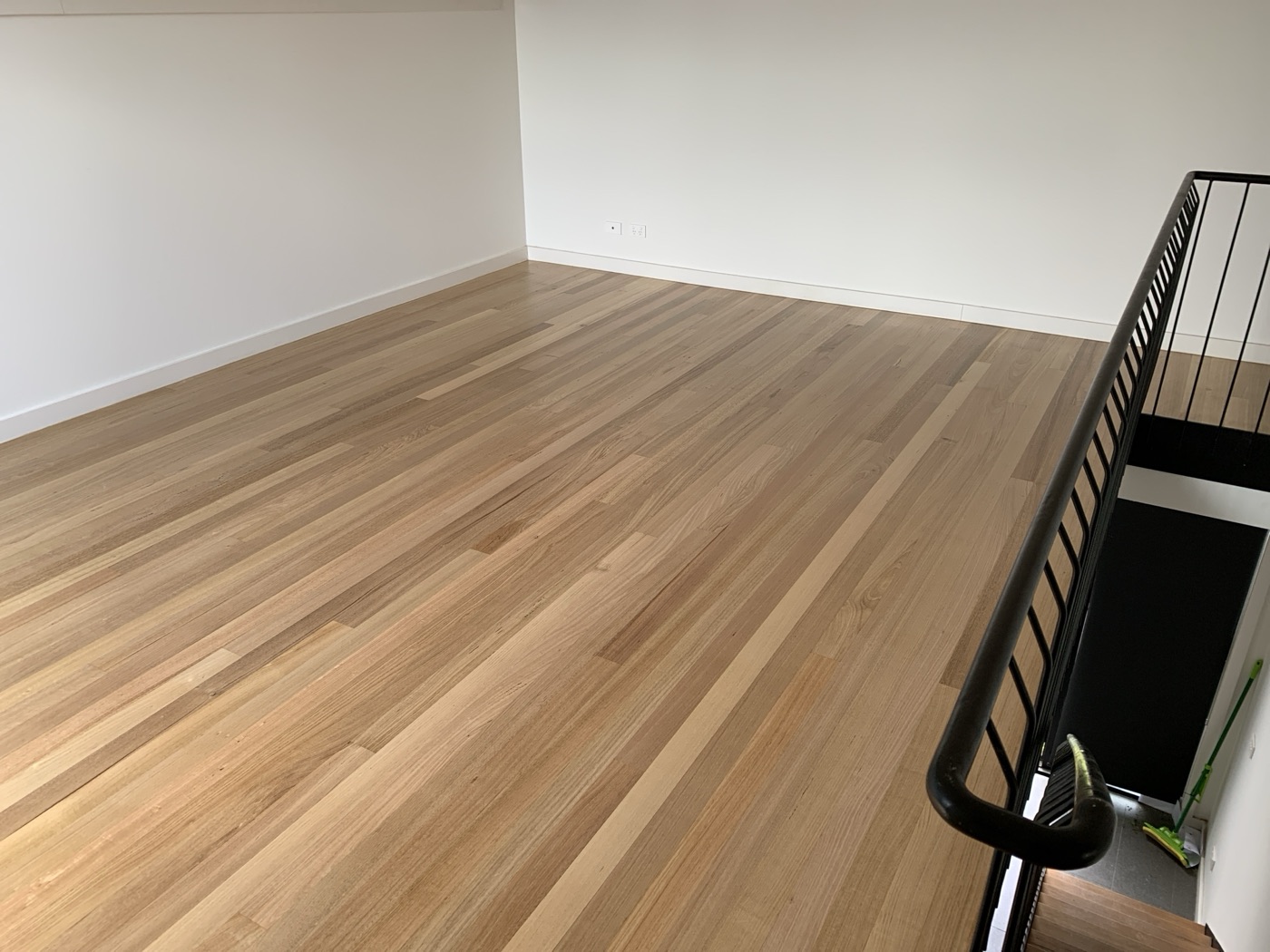
A new floor changes a room more than almost any other job in the house — and it's also the one homeowners most often get wrong before a single board is laid. Choosing the right timber flooring Melbourne homes actually suit isn't just about picking a colour you like in a showroom. It's about matching the product to your subfloor, your home's age, the way Melbourne's seasons swing, and how the room gets used. Get those right and you have a floor that looks beautiful and stays flat and quiet for decades. Get them wrong and you get gaps, cupping, squeaks and a costly do-over. Here's how to think it through before you commit.
Solid, engineered or timber-look: what's the real difference?
Walk into any flooring store and you'll be shown three broad families. They look similar underfoot, but they behave very differently — especially in a Melbourne home.
Solid hardwood
One single piece of timber all the way through, usually a local species like Spotted Gum, Blackbutt or Victorian Ash. It's the real thing, can be sanded back and re-coated several times over its life, and looks superb. The trade-off is that it moves with humidity. It needs to be nailed or secret-fixed to a timber subfloor (or battens), so it's better suited to older weatherboard and period homes with a bearer-and-joist floor than to a modern concrete slab.
Engineered timber
A real hardwood top layer bonded over a stable plywood core. You still get a genuine timber surface, but the layered construction moves far less with changes in humidity, which is why it's the go-to for the slab-on-ground homes, apartments and townhouses that make up so much of Melbourne. It can usually be floated, glued or fixed, giving you far more flexibility on installation. Most can be re-sanded at least once or twice depending on the wear-layer thickness.
Laminate and timber-look (hybrid / vinyl plank)
Not timber at all, but a printed wood image over a tough core. Modern hybrid and laminate planks look remarkably convincing, click together fast, and shrug off water, scratches and kids better than the real thing. They're the most budget-friendly and the most forgiving — ideal for rentals, busy family living areas, or anywhere a real timber floor would be overkill. You can't sand them back, but you can replace planks.
Quick rule of thumb
- Period home on stumps and bearers? Solid hardwood is at home here.
- Slab, apartment or townhouse? Engineered timber is usually the smart, stable choice.
- Tight budget or a rental? Quality hybrid or laminate gives the look with far less fuss.
What Melbourne's climate and homes do to a floor
Melbourne is famous for four seasons in a day, and timber notices. Dry, heated winters make boards shrink; humid stretches make them swell. That swing is exactly why so many DIY and cheap installs end up with gaps in winter and tight, cupped boards in summer.
A few local realities worth knowing before you buy:
- Acclimatisation matters. Boards should sit in the actual room for several days before laying, so they settle to your home's real conditions — not the warehouse they came from.
- Slab homes need a moisture check. Newer concrete slabs and ground moisture can wreck a floor laid too early. A moisture reading and the right underlay or barrier are non-negotiable, not optional extras.
- Expansion gaps are deliberate. That small gap left at the walls and skirtings lets the floor breathe through Melbourne's seasons. Skip it and the floor has nowhere to go but up.
- Older homes are rarely flat. Heritage floors dip, slope and bounce. A good install levels and prepares the subfloor first — that prep is where a quiet, flat floor is won or lost.
Costs and choices to weigh up before you commit
Flooring pricing varies enormously with the product, the area and the state of what's underneath. Rather than quote a figure that won't match your home, it's more useful to know the things that actually move the price and the outcome:
- The product tier — solid hardwood sits at the top, quality engineered in the middle, hybrid and laminate at the friendlier end.
- Subfloor prep — lifting old carpet, tiles or vinyl, levelling a dipped floor, and moisture treatment all add to the job, and skipping them is a false economy.
- The finish details — new skirtings or scotia, transition strips between rooms, and trimming doors to clear the new floor height.
- Re-sandability — a solid or thick-veneer engineered floor you can re-sand later may cost more upfront but last decades; laminate is cheaper but gets replaced, not refreshed.
The honest answer is that the cheapest quote and the cheapest floor are rarely the cheapest outcome. A floor laid over an unprepared subfloor will tell on itself within a year or two — and re-laying is far dearer than doing it properly once.
The signs of a floor that was installed right
You can usually tell a careful install from a rushed one within a week of moving the furniture back. A good timber floor in a Melbourne home should:
- Feel dead-flat and solid underfoot, with no bounce, hollow spots or rocking planks.
- Be quiet — no creaks, clicks or squeaks as you walk across it.
- Have neat, consistent expansion gaps hidden tidily under skirtings or scotia.
- Sit cleanly at doorways and room transitions, with doors that still clear and close.
- Show even, well-matched board runs without obvious colour clashes or short off-cuts in plain sight.
How JT handles this
Flooring is one of those jobs that touches half a dozen other trades — carpentry to prep and level the subfloor, the floor lay itself, skirtings and scotia, door trimming, and often a tidy-up paint or patch where the old floor met the wall. The usual headache is coordinating all of that yourself, chasing a separate person for each step while nobody owns the finished result.
That's exactly the problem JT was built to remove. As a Melbourne property repairs and maintenance team — one that's grown from a single person to a 24-strong in-house crew in under two years, with a 5.0 Google rating — JT runs the whole floor under one team, one point of contact, one-stop shop. The same crew assesses the subfloor, sorts the prep and levelling, lays the boards to suit your home, and finishes the skirtings and doors so the room is genuinely done, not 90% done with a list of "you'll need someone else for that."
And because renovations take time but your quote shouldn't, you don't wait days for a callback. Tell us the room and what you're after and you'll get a real, instant quote — so you can make the decision while it's still fresh, not weeks later.
Why one team for flooring
- One point of contact owns the job from subfloor to final skirting.
- Every trade — carpentry, lay, finishing, doors — handled in-house, no subbies to chase.
- Instant quote up front, clear updates through the job, before-and-after photos at the end.
Thinking about a new floor?
Tell us the room and the look you're after and get a real price back — often instantly. One team, one point of contact, one-stop shop across Melbourne.