
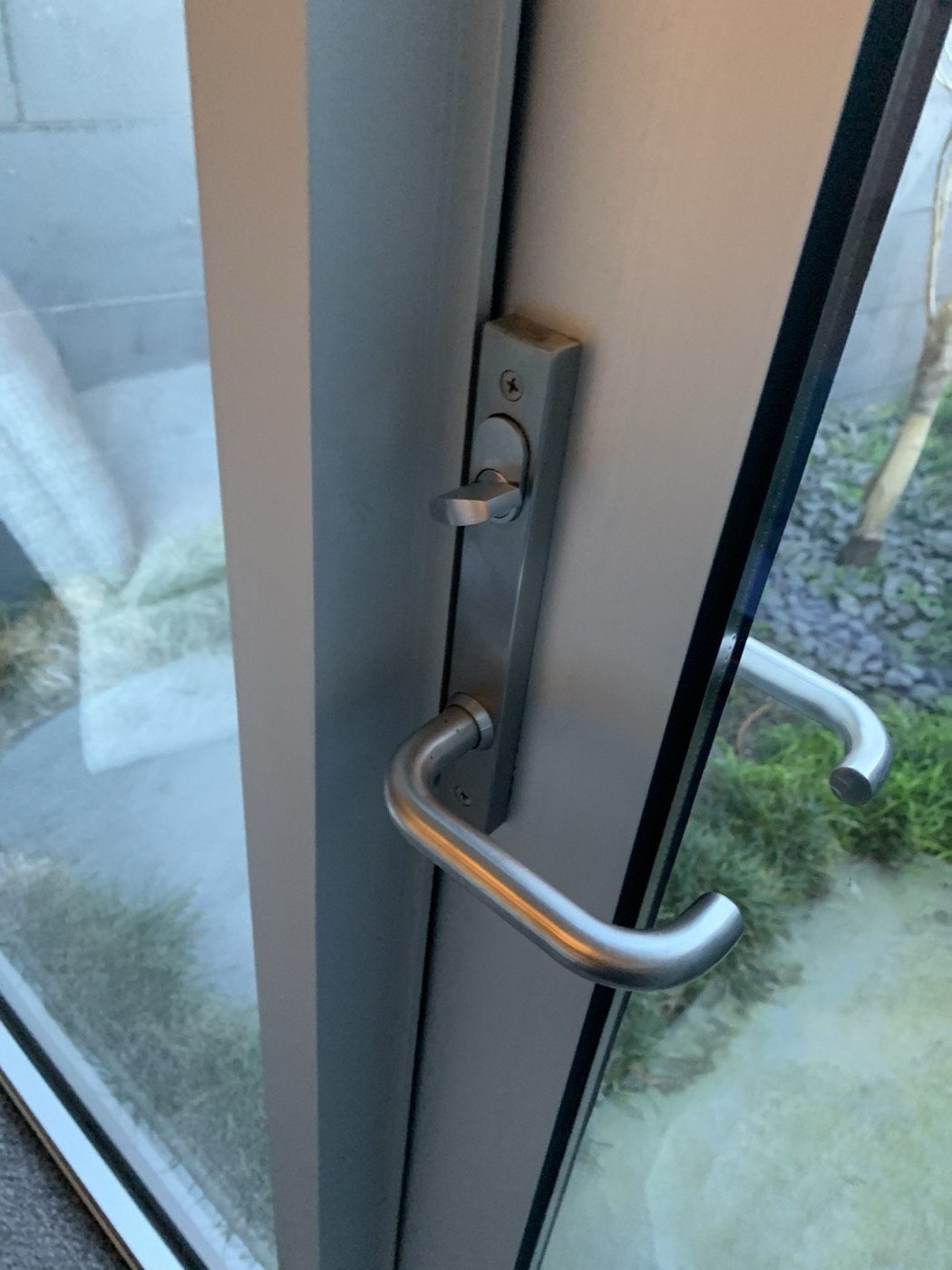
Door Won't Close or Lock? The Quick Fixes a Handyman Uses
A door that sticks, won't latch, or has started dropping on its hinges is one of those problems that's easy to live with for months — until it isn't. The good news is most door problems come down to a small, specific cause, and once you know what to look for, the fix is often quicker and cheaper than people expect.
Why doors stop closing properly
Doors move more than most people realise — timber expands and contracts with the seasons, hinges wear, and houses settle slightly over the years. A few of the most common causes:
- Dropped hinges. Over time, hinge screws loosen in the frame, letting the door sag slightly. Even a few millimetres of drop is enough to throw off the latch alignment.
- Timber swelling. Especially in older Melbourne homes, timber doors can swell during wetter months, making them stick or drag along the frame.
- Strike plate misalignment. If the door itself is fine but won't latch, the strike plate on the frame is often just slightly out of position from where the latch actually sits.
- A worn or damaged frame. Rot, warping, or general wear on the frame itself can throw the whole door out of true, even if the door itself is in good condition.
Quick fixes worth trying first
Not every sticking door needs a tradesperson — a few simple checks can solve it on the spot:
- Tighten the hinge screws. If they've worked loose, this alone can fix a dropped or sagging door.
- Check the strike plate position. If the latch isn't quite meeting the strike plate, sometimes just loosening and slightly repositioning the plate solves it.
- Sand a swollen edge. If a door only sticks in humid weather, a light sand along the rubbing edge (not the whole door) can be enough — though this is worth doing carefully, since over-sanding creates a gap in drier months.
If none of these fix it, or the door has dropped significantly, that's usually a sign of a bigger issue — worn hinges needing replacement, or a frame that's genuinely out of alignment.
When it's more than a quick adjustment
Some signs point to a repair rather than a five-minute fix:
- The door has visibly dropped and rubs along the bottom of the frame.
- The latch and strike plate are more than a few millimetres out of alignment, even after adjustment.
- There's visible rot, cracking or damage to the frame itself.
- The lock mechanism is worn or damaged, not just misaligned.
These are still very fixable — they just need proper carpentry rather than a screwdriver fix, and trying to force a badly misaligned door can sometimes make the underlying problem worse.
Repair or replace?
Most doors don't need full replacement, even when they've been sticking or dropping for a while. Hinges can be replaced, frames repaired section by section, and strike plates reset — all without ripping out the whole door and frame. Full replacement is really only worth it when the timber itself has failed structurally, or the door was never a good match for the opening to begin with.
How JT handles a door that's stopped working properly
This is one of the most common calls we get, and it's usually a faster fix than people expect once someone who knows what they're looking at is on-site.
- We diagnose before we quote. A hinge adjustment and a frame repair are very different jobs — we tell you honestly which one yours actually needs.
- Repair over replace, wherever possible. We'd rather fix what's there properly than sell you a new door you don't need.
- Matched to the existing hardware and timber where repairs are needed, so the fix doesn't stand out.
- Fast, honest quotes — often instant, so you know the cost before we start.
If a door in your home has been sticking, dropping, or just won't latch properly anymore, it's usually a smaller job than it feels like — worth getting looked at before it gets worse.