
Kitchen Splashback Options: Tile, Glass or Stone?
A splashback update is one of the most cost-effective ways to freshen a kitchen without a full renovation — it's a relatively contained area, but one that draws the eye constantly during everyday cooking and cleaning. The three main material options each come with genuinely different trade-offs worth understanding before you choose.
Tile
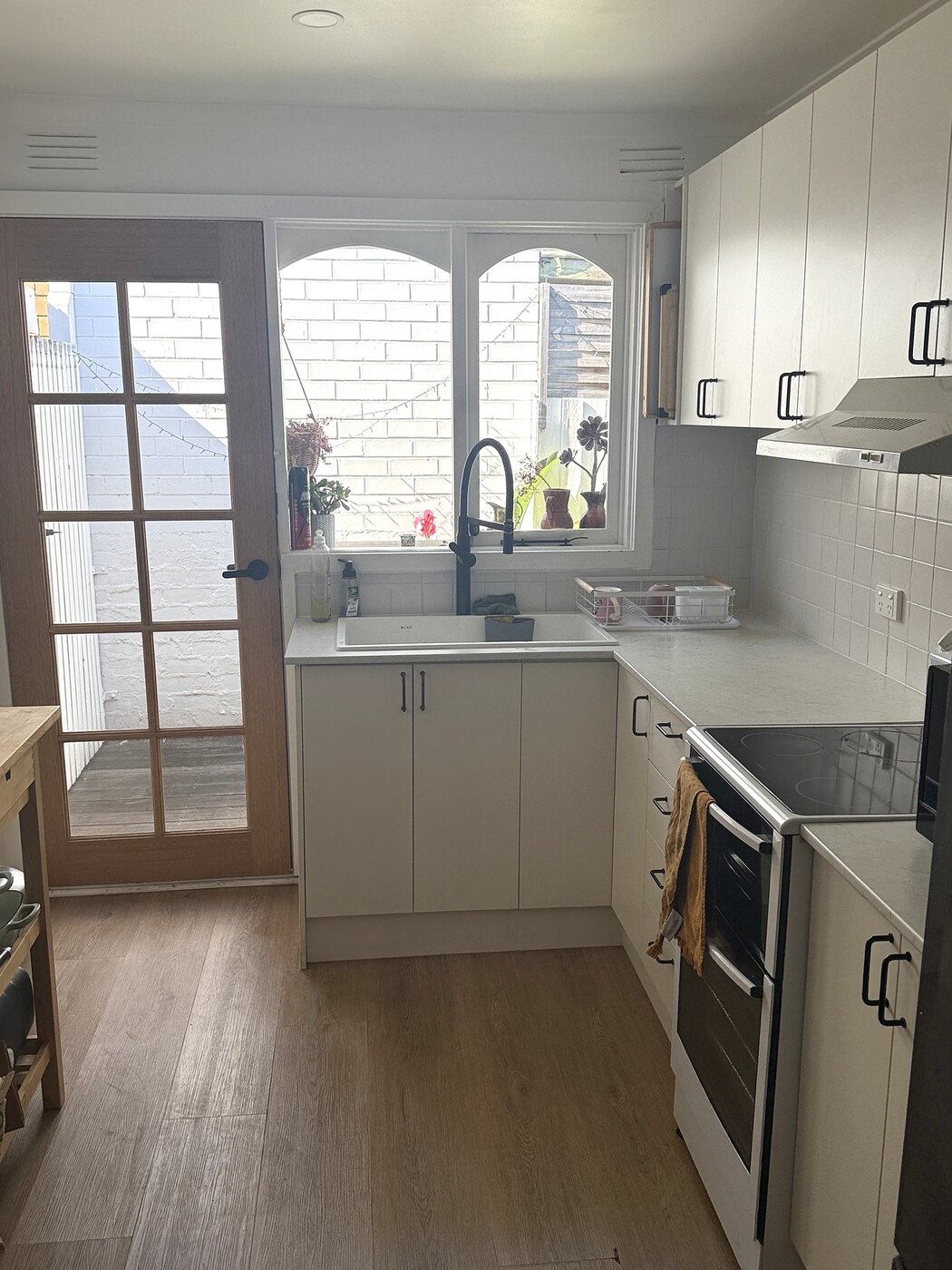
The most versatile and widely available option, with an enormous range of colours, sizes and patterns to suit almost any kitchen style — from classic subway tile to bold feature patterns. Tile is durable, heat-resistant, and if a section is ever damaged, individual tiles can sometimes be replaced rather than the whole splashback. The main consideration is grout lines, which need occasional cleaning and resealing to stay looking sharp.
Glass
A single sheet of toughened glass (often with a painted back finish) gives a completely seamless look with no grout lines at all — genuinely easy to wipe clean and very hygienic, which is part of why it's popular in modern kitchen designs. The trade-off is cost, since a custom-cut glass splashback with a professional finish is typically pricier than standard tile, and damage to the glass means replacing the whole sheet rather than a single section.
Stone (natural or engineered)
Stone splashbacks — whether natural stone or engineered quartz — create a premium, cohesive look, especially when matched to a stone benchtop for a seamless material flow. Engineered stone offers more consistent colour and pattern than natural stone, along with generally better stain resistance. This is typically the highest-cost option of the three, but delivers a genuinely high-end result that tile and glass can't quite replicate.
Practical considerations beyond looks
- Heat resistance matters most directly behind a cooktop — all three materials handle this well, but installation quality (proper clearances, correct adhesive) matters as much as the material itself.
- Cleaning routine. If low-maintenance is a priority, glass genuinely requires the least ongoing effort; tile needs occasional grout attention.
- Budget. Tile is generally the most budget-flexible option, with glass and stone typically costing more depending on size and finish quality.
How JT approaches splashback installation
- Honest advice on which material suits your kitchen, budget and maintenance preferences.
- Proper installation — correct clearances, adhesive and sealing regardless of material choice.
- Every trade in-house, so if the job touches benchtop, cabinetry or electrical work around power points, it's one team handling the whole scope.
- Real, often-instant quotes once we know your kitchen and material preference.
If you're considering a splashback update, it's genuinely one of the higher-impact, lower-disruption kitchen upgrades available — worth a conversation about which material fits your kitchen and budget.
Ready to update your splashback?
Honest advice on the right material — quoted fast, often instant.