Laminate vs Vinyl vs Timber-Look: The Real Differences for Rentals
Real timber floors look great in a rental listing photo — and often don't survive the first tenancy without visible wear. For rental properties specifically, the right flooring choice isn't about what looks best on day one, it's about what still looks good after three tenancies. Here's how the main options actually compare for that job.
Laminate
A printed timber-look layer over a compressed core, with a hard-wearing top coat. It's budget-friendly, scratch-resistant for everyday use, and available in styles that photograph well. The real weakness for rentals: laminate doesn't handle moisture well. A spill left too long, or water tracked in from outside, can cause the core to swell and the boards to lift — a real risk in kitchens, entries and anywhere near a laundry.
Vinyl (including hybrid)
Fully waterproof, genuinely resilient underfoot, and increasingly close to laminate and timber-look products in appearance thanks to newer hybrid vinyl products. This is usually the strongest all-round choice for a rental specifically, since it shrugs off the spills, moisture and general wear-and-tear that laminate struggles with — without the cost of real timber.
Timber-look (broader category)
Both laminate and vinyl fall under this umbrella, but it's worth knowing there's real variance in quality within each category. A cheap laminate and a cheap vinyl can both look and perform poorly; a good hybrid vinyl can genuinely outperform a mid-range laminate for a similar price. The category name alone doesn't tell you enough — the actual product spec does.
What actually matters for a rental
- Moisture resistance. Tenants aren't always as careful with spills as an owner-occupier would be — vinyl's waterproof core is a real advantage here.
- Scratch and dent resistance. Furniture moves, pets exist, tenants come and go — the wear layer thickness matters more than the surface pattern.
- Ease and cost of replacement if a section does get damaged — some products allow spot-replacing a single plank, others require the whole area redone.
- How it presents in listing photos, since first impressions still matter for turning a vacancy around quickly.
The realistic recommendation for most rentals
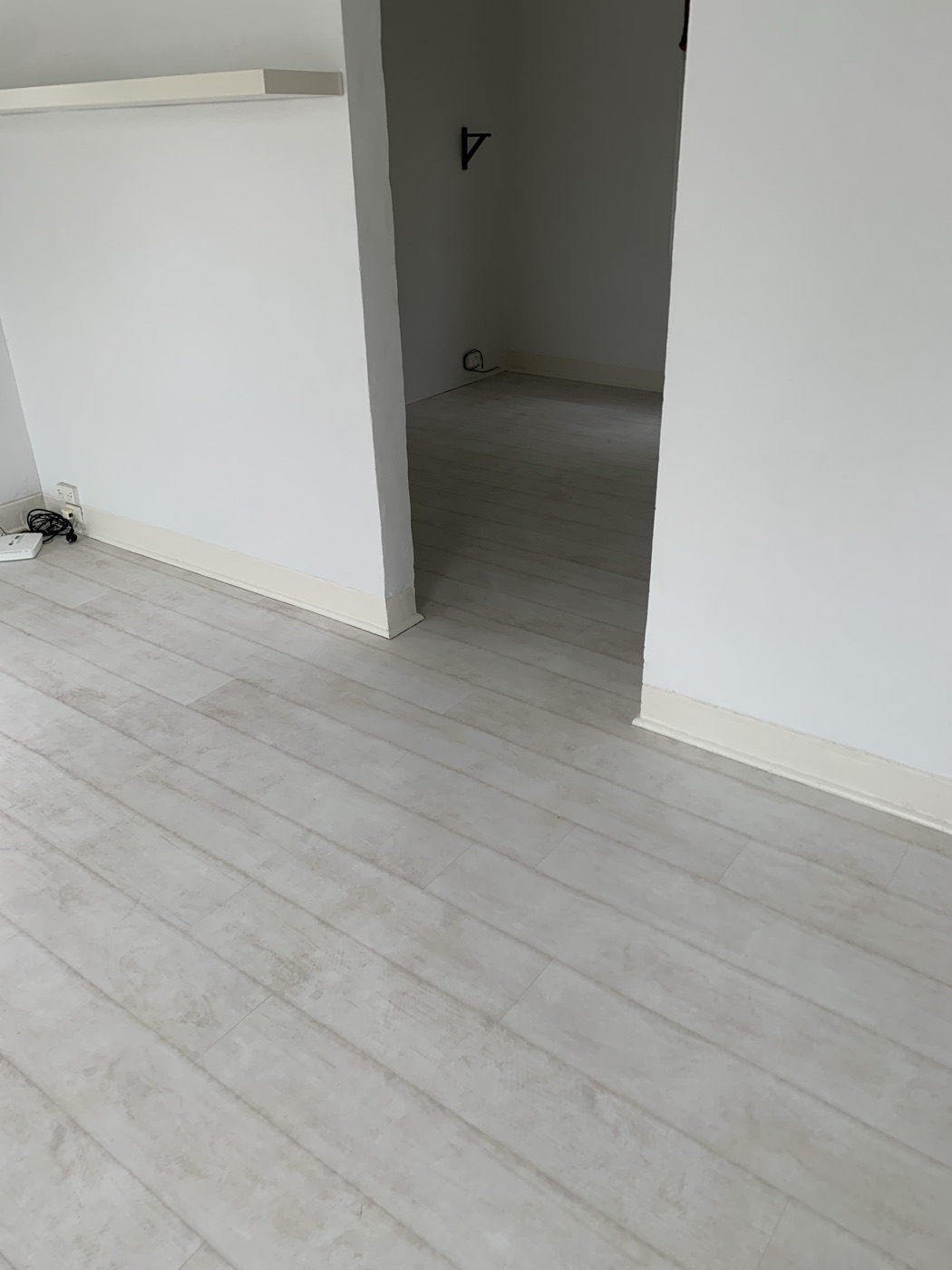
For most rental properties, a quality hybrid vinyl product hits the best balance — genuinely waterproof, tough enough for tenant wear-and-tear, and close enough in appearance to real timber that it photographs and presents well. Laminate can still make sense in lower-moisture areas of a property where budget is the primary concern, but it's worth being deliberate about where it goes rather than using it throughout.
How JT approaches flooring for property managers
- Product recommendations based on the actual property, not a one-size-fits-all default.
- Fast turnaround, so flooring doesn't hold up a relet.
- One team for the whole portfolio, so flooring decisions and installation quality stay consistent property to property.
- Real, often-instant quotes so you can confirm cost and timeline with the owner the same day.
If you're weighing up flooring for an upcoming turnaround, the right product genuinely does depend on the specific property and its moisture risk — worth a quick conversation before locking in a choice that photographs well but doesn't hold up.
Get the right flooring recommendation, fast.
One team, one point of contact, quoted often instantly across your whole portfolio.