
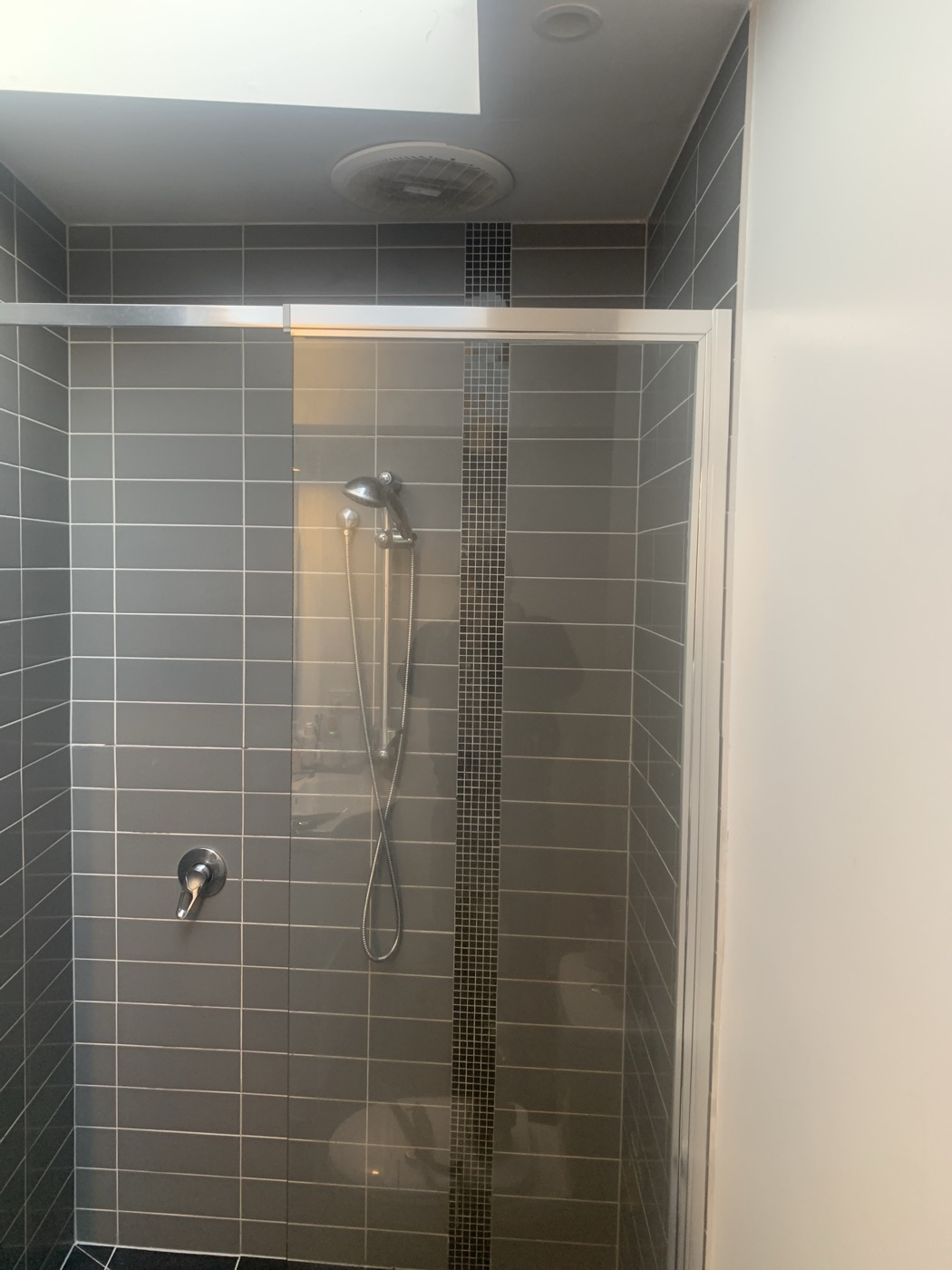
Regrouting vs Retiling: Which Does Your Bathroom Actually Need?
Tired, discoloured grout and the odd loose tile are enough to make any bathroom feel dated — but the fix isn't always the same for every bathroom, and getting it wrong means either wasting money or leaving a problem half-solved. Here's how to actually tell which one your bathroom needs.
When regrouting is enough
Regrouting is exactly what it sounds like — removing the old, cracked or discoloured grout and replacing it, while the tiles themselves stay exactly where they are. It's the faster, cheaper option, and in a lot of cases, it's genuinely all that's needed.
Regrouting is usually the right call when:
- The tiles themselves are intact — no cracks, no hollow-sounding tiles when tapped, nothing loose.
- The grout has discoloured, become patchy, or started to crumble, but there's no sign of water getting behind the tiles.
- You just want the bathroom to look fresher without a full renovation-scale job.
- There's no ongoing leak or waterproofing issue underneath.
Done properly, a regrout can genuinely make a tired bathroom look years newer for a fraction of the cost of retiling — as long as what's underneath the tiles is actually sound.
When it's actually time to retile
Retiling means removing the existing tiles, checking and usually replacing the waterproofing membrane underneath, and laying new tiles from scratch. It's a bigger job, but it's the only real fix when the problem goes deeper than the grout lines.
Signs you're looking at a retile, not a regrout:
- Cracked or loose tiles. A cracked tile isn't just cosmetic — it's often a sign of movement or a failed bond underneath, and patching around it doesn't fix the cause.
- Hollow-sounding tiles when tapped. This usually means the tile has come away from the surface underneath, which grout alone can't reattach.
- Persistent dampness or a musty smell that doesn't clear up after a regrout — a strong sign the waterproofing membrane itself has failed, not just the surface grout.
- You want to change the tile style or layout, not just refresh the existing look.
If the waterproofing has failed, regrouting on top of it is only ever a temporary fix — the same problem tends to resurface within months, sometimes in a new spot.
The quick way to tell which one you need
Tap a few tiles gently, particularly near the shower floor and lower wall. A solid, consistent sound is a good sign. A hollow or different-sounding tap suggests it's come loose from what's underneath — a job for retiling, not grout. Combine that with checking for any lingering dampness or smell after cleaning, and you'll usually have a fairly clear answer before you even call anyone.
How JT approaches this
We never default to the bigger, more expensive job when the smaller one will genuinely do — but we also won't recommend a quick regrout if we can see the real issue is underneath. The honest assessment comes first.
- A proper inspection before a quote. We check the actual condition of the tiles and grout, not just what's visible on the surface.
- An honest recommendation. If regrouting will genuinely fix it, that's what we'll quote — we're not incentivised to upsell you into a full retile you don't need.
- Full retiling done properly when that's what the bathroom actually needs, including correctly redone waterproofing, not just new tiles over the same old problem.
- Real, often-instant quotes for whichever job it turns out to be.
If you're not sure which one your bathroom needs, that's exactly the kind of question worth asking before spending anything — a quick look often settles it in minutes.