
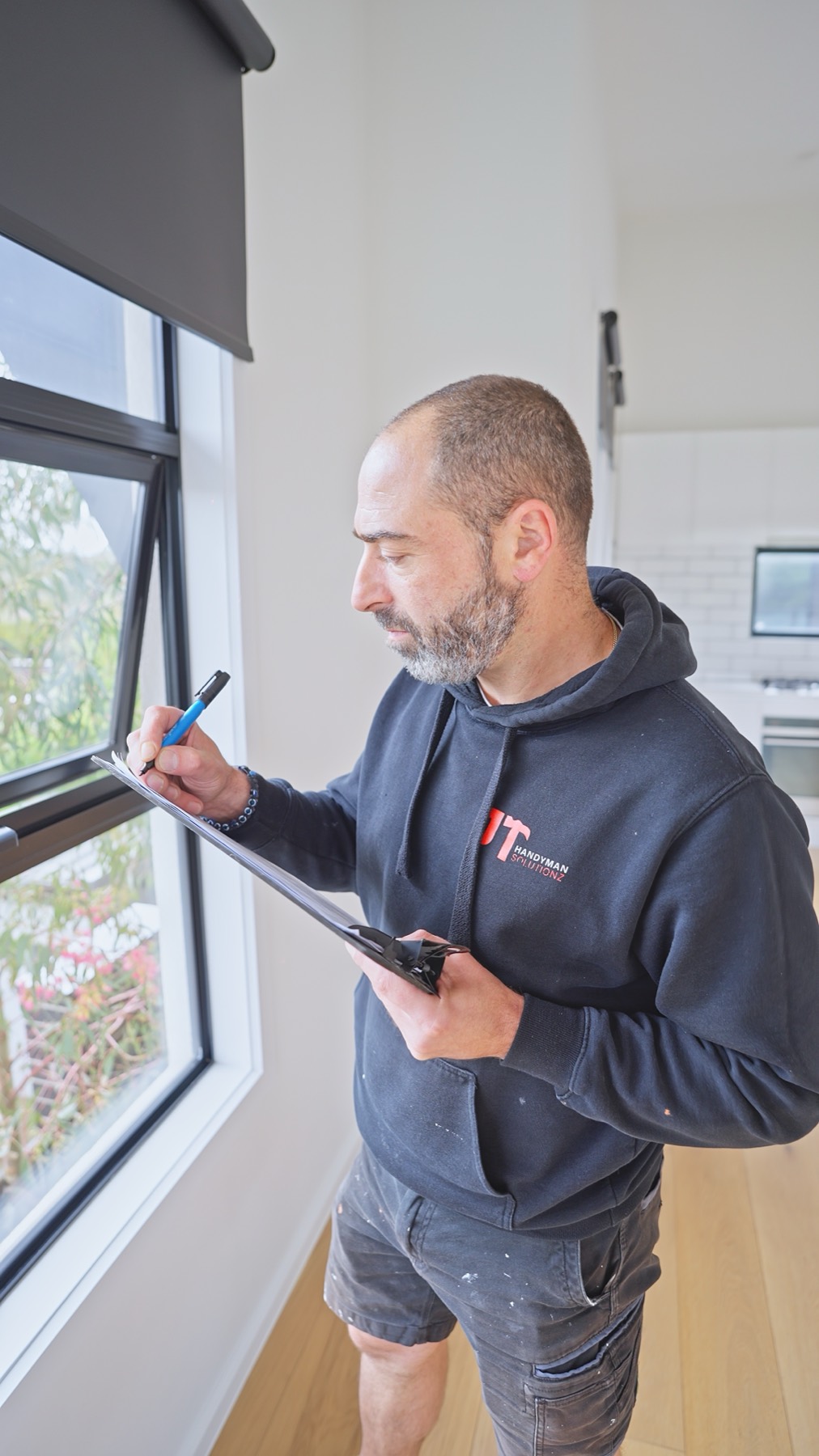
Routine Rental Inspections: What Property Managers Should Actually Flag
A routine inspection is only as useful as what happens after it. Plenty of maintenance issues get correctly noted in an inspection report and then sit unresolved for months — not because anyone missed them, but because acting on a long list across a busy portfolio is genuinely hard without the right process behind it.
What's worth flagging at every inspection
- Anything with a safety or compliance angle — smoke alarms, faulty wiring signs, unsafe handrails — these should never wait for the next inspection cycle.
- Active water issues — damp patches, water stains, anything suggesting a slow leak — since these get more expensive the longer they're left.
- Door and window function — sticking, not latching properly, or failing to lock securely, which affect both tenant experience and security.
- Wear that's starting to become damage — a loose fixture, a hairline crack, worn sealant — items that are cheap to fix now and expensive later.
- General presentation — scuffed walls, tired paint — which affects how the property is perceived even outside a leasing context.
Why the gap between "flagged" and "fixed" matters
An inspection report that lists issues without a fast path to actioning them isn't much more useful than not inspecting at all — the tenant still lives with the problem, the owner still bears the risk of it worsening, and the property manager still carries the liability of a documented-but-unresolved issue. The value of a good inspection process comes from how quickly flagged items actually get resolved, not just from the thoroughness of the list.
Prioritising a long list realistically
Not everything on an inspection report needs immediate action, and treating every item as equally urgent isn't realistic across a busy portfolio. A simple triage — safety and compliance first, active damage second, cosmetic wear third — keeps the genuinely important items from getting lost among lower-priority ones.
How JT supports property managers with this
- One point of contact for the whole portfolio, so flagged issues go straight to a booking rather than a search for the right contractor.
- Fast, often-instant quotes, so owners can be given a real cost and timeline the same day an issue's raised.
- Every trade in-house, so a mixed list of small jobs — a door, a leak, some paint — is one visit, not four separate bookings.
- Documented before-and-after photos on every job, giving you a clean record to pass on to the owner.
If your inspection reports are consistently longer than your team has time to action, having one reliable maintenance partner is usually what closes that gap — worth a conversation about how it could work across your portfolio.
Long inspection list to action?
One team, fast quotes, documented work across your whole portfolio.