
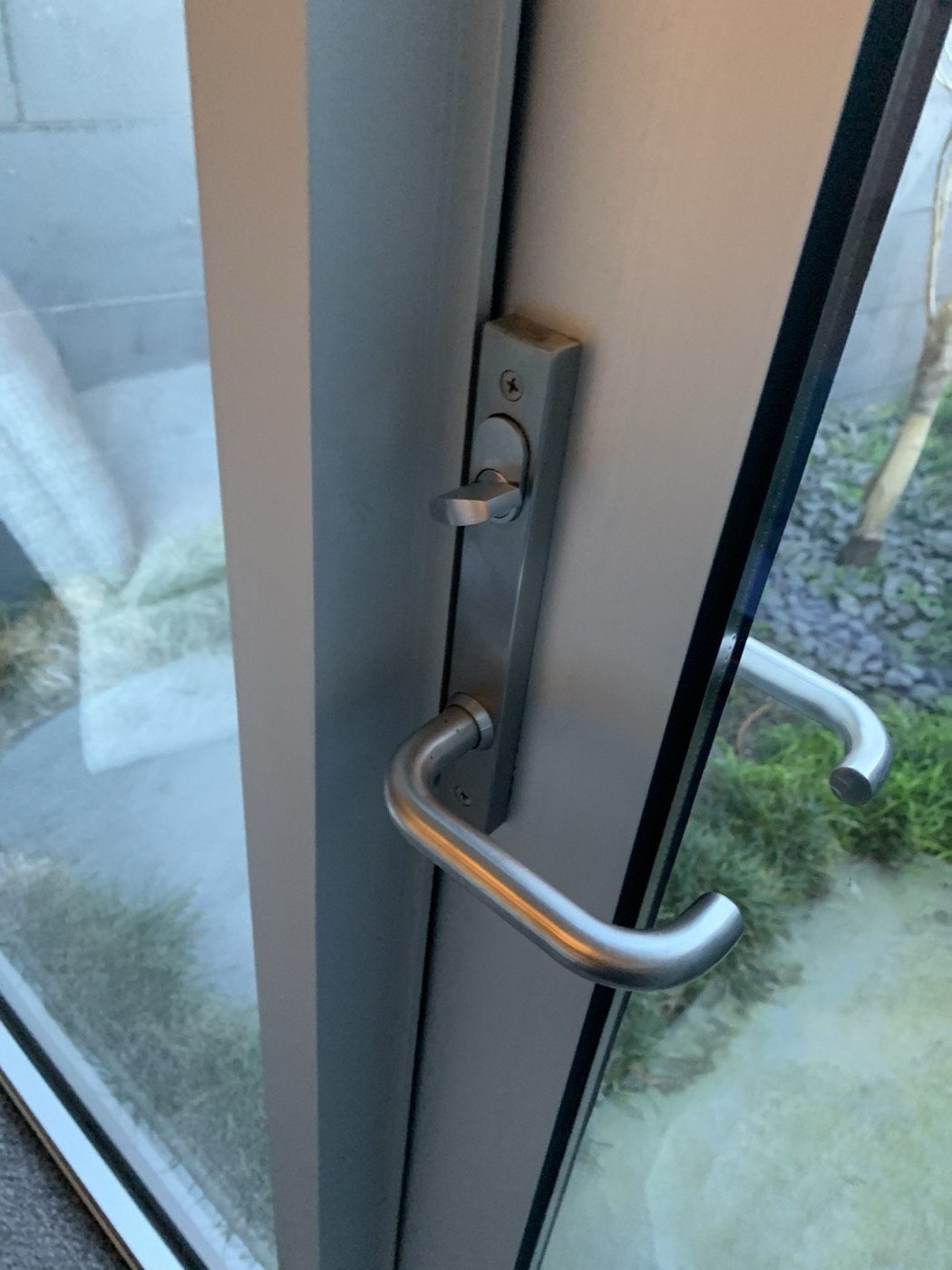
Strike Plates, Hinges and Latches: Small Fixes That Stop Big Headaches
Across a portfolio of properties, the calls that pile up fastest are rarely the big, expensive jobs. They're the small ones — a door that won't latch properly, a lock that sticks, hinges that squeak or drag. Individually minor, collectively a real drain on time, and each one is a tenant call, a callout, and sometimes a security complaint waiting to happen.
The good news: most of these come down to a handful of cheap, quick fixes that prevent the bigger, more expensive problems down the line.
Why small hardware issues matter more than they seem
A door that doesn't latch properly isn't just an annoyance — it's a security issue tenants notice immediately and complain about loudly. A dragging door on worn hinges gets forced, which damages the frame over time. Left unaddressed, small hardware wear turns into a bigger carpentry job later, and an unhappy tenant now.
The usual suspects across a portfolio
- Misaligned strike plates. The single most common reason a door "won't lock properly" — the latch and the plate just aren't quite meeting. Often a five-minute fix, not a new lock.
- Loose or worn hinges. Screws work loose over years of use, letting doors sag and drag. Left too long, this stresses the frame itself.
- Worn latch mechanisms. A latch that doesn't retract smoothly makes a door feel "sticky" even when the alignment is fine.
- Loose door handles or levers. Wobbly hardware isn't just cosmetic — it accelerates wear on the whole mechanism.
Why this is worth proactive attention, not just reactive callouts
Reacting to each tenant complaint one at a time means a callout fee, a delay, and an unhappy tenant every time. A short, planned pass through a property's doors and hardware — checking alignment, tightening hinges, adjusting strike plates — catches most of these before they become a call at all. It's a fraction of the cost of managing them individually as they come in, and tenants notice the difference between a well-maintained property and one that's constantly "almost broken."
What good maintenance looks like
- Regular hardware checks as part of routine inspections, not just when something's already reported broken.
- Fixing alignment issues immediately rather than letting tenants live with a door that "just needs a bit of a shove."
- Replacing worn hinges before they fail rather than after a door has already dropped and damaged the frame.
- One team handling the whole portfolio so hardware issues get fixed consistently, not differently depending on which contractor happened to be available.
How JT supports property managers with this
Small, recurring maintenance across a portfolio is exactly the kind of work that benefits from one consistent team rather than a rotating list of contractors.
- One point of contact for every property in your portfolio, not a different tradesperson each time.
- Fast turnaround on the small stuff — a misaligned strike plate or a loose hinge doesn't need to wait weeks.
- Proactive maintenance options, not just reactive callouts, to catch hardware wear before it becomes a bigger repair.
- Before-and-after photos on every job, so you have a clear record for owners and exit reports.
If your maintenance list is full of these small, recurring hardware issues, handling them proactively across the whole portfolio — rather than one reactive callout at a time — is usually the difference between a manageable list and a constant stream of tenant complaints.