
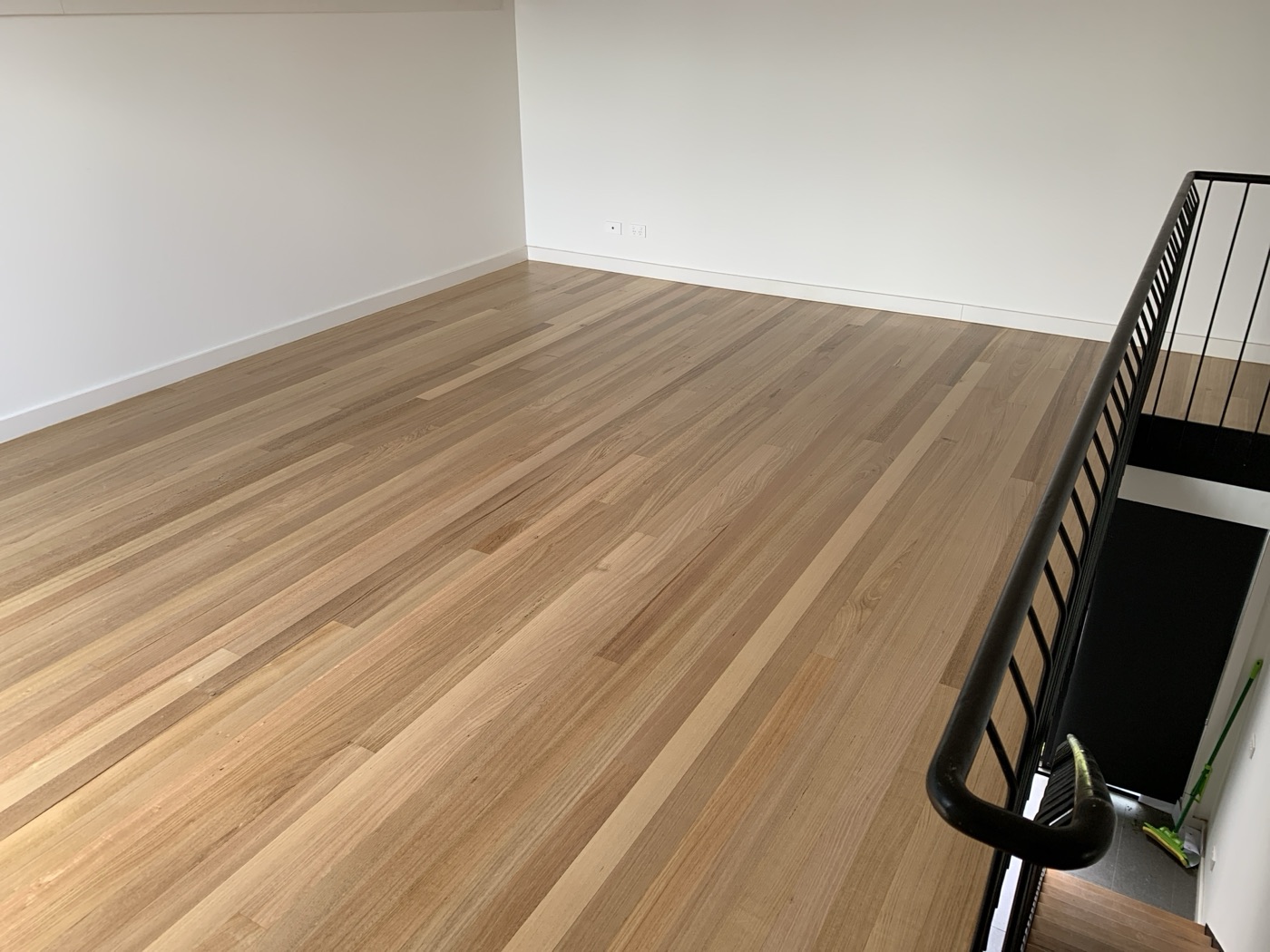
Choosing and Installing Timber Flooring in a Melbourne Home
New flooring changes a room more than almost any other single renovation, and timber is still the finish most Melbourne homeowners come back to. But "timber flooring" covers a wider range of products, prices and durability than most people realise going in. Here's what actually separates them.
Solid timber
A single piece of hardwood, milled and finished. It's the most traditional option, can be sanded and refinished multiple times over its life, and tends to suit period and character homes particularly well. It's also the most expensive option and the most sensitive to moisture and temperature changes — not usually recommended for bathrooms or areas with underfloor heating without careful planning.
Engineered timber
A real timber veneer bonded over layers of plywood or high-density board. It looks and feels like solid timber underfoot, but the layered construction makes it more stable — less prone to expanding, contracting or cupping with Melbourne's seasonal humidity swings. It costs less than solid timber and can still be refinished, just fewer times over its life. For most homes, this is the practical middle ground between authenticity and durability.
Timber-look flooring (laminate or hybrid)
No real timber at all — a printed image layer under a durable wear surface, on either a laminate or a more moisture-resistant hybrid core. The look has improved enormously in recent years, and for a fraction of the cost of real timber, it's a genuinely good option for busy households, rentals, or anywhere real timber's moisture sensitivity is a real concern.
What actually matters when choosing
- The room it's going in. Real timber (solid or engineered) suits living areas and bedrooms well; timber-look or hybrid products handle moisture-prone areas and high-traffic zones better.
- Your budget, honestly. Solid timber costs the most upfront but can outlast the home. Engineered gives most of the look for less. Timber-look is the budget-conscious option that still looks genuinely good.
- How the house moves. Older Melbourne homes with timber subfloors behave differently to newer homes on concrete slabs — worth getting the subfloor properly assessed before locking in a product.
- Long-term maintenance. Solid and engineered timber can be sanded back and refinished if it wears; timber-look products generally can't — once it's worn through, it's replaced, not restored.
Why installation matters as much as the product
Even the best flooring product looks and performs poorly if it's installed badly. Acclimatising the timber to the room before laying it, correctly preparing the subfloor, and leaving the right expansion gaps around the edges are what actually determine whether a floor stays flat and tight for years — or starts cupping, gapping or lifting within a season. This is the part that's easy to skip and expensive to fix afterward.
How JT approaches flooring
- Honest advice on the right product for your room and budget — not just the option with the biggest margin.
- Proper subfloor preparation and acclimatisation before anything gets laid, so the finished floor actually stays flat and stable.
- Every trade in-house, so if the job also touches skirting, trim or paint, it's the same crew handling all of it.
- Real, often-instant quotes based on your actual room and product choice.
Whether you're after the character of solid timber, the practicality of engineered, or the budget-friendly look of laminate or hybrid, the right choice comes down to the room, the budget and how the house actually behaves — worth a proper conversation before you commit to a product.